Yesterday was an intense day, filled with walking to many of the most important sites of Istanbul. Today felt more relaxed. Even though we did get to famous tourist sites, we also got to see Erdinc’s home area and it felt good to be cruising through the streets of Istanbul again, even though I did enjoy walking all day yesterday.
We started at the Basilica Cistern, which was originally built underneath a basilica and is one of hundreds of ancient cisterns in Istanbul. The water reserve was built in the 6th century. The water came from 19 kilometers (11 miles) away and the columns are 9 meters (30 feet) high). This strange mixture of columns from a basilica in a reservoir was made even stranger and more beautiful by the lighting they gave it.
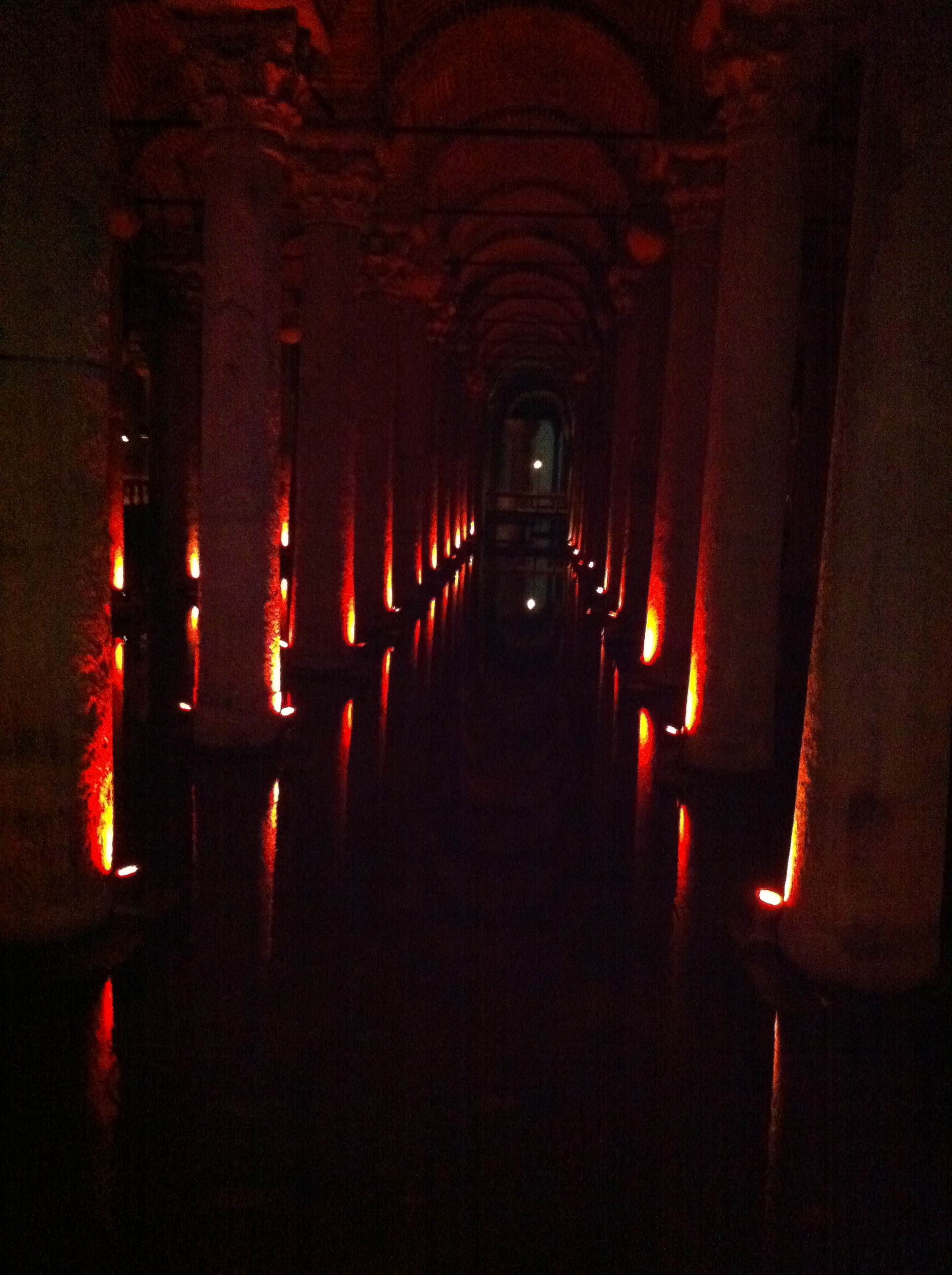

Basilica Cistern, combination of a church and water reservoir
I loved the statues of Medusa in the Basilica Cistern. Her hair is filled with snakes and she is supposed to be able to turn anyone who looked at her into stone. She was therefore used to protect buildings. Apparently the effect was so strong though that they put her upside down or sideways and at the bottom of columns. Quite an amazing effect. It worked. I would definitely not mess with Medusa or any building she was protecting.


Medusa with her hair of snakes, protecting the building but so scary that they put her upside down (left) and sideways (right) and at the bootom of the columns
The Basilica Cistern is such an eerie and beautiful location that it makes sense that it was used in the James Bond film From Russia With Love in 1963 and the 2009 film The International.
Our next stop was the Istanbul Archaeological Museum, which again I thought would be a bit tedious but turned out to be really wonderful. The best part for me built on a family story. In the 1950’s my family was traveling around the world and we stopped at the Hanging Gardens of Babylon in Iraq. We unfortunately “took” some pieces of the gardens and my mother and sister made this mosaic using those pieces. There were similar Babylonian mosaics in this museum.

Mosaic made by my sister and mother using pieces from the Hanging Gardens of Babylon

Babylonian mosaic from the Istanbul Archaeological Museum
Over and over it became clear to me how wonderful it was to have a guide. Erdinc pointed out that the most famous piece in this museum was the actual Treaty of Kadesh from the 1200’s BCE. This treaty is considered so important in world history that a copy is in the UN headquarters. The Hittites and Egyptians both claimed victory after a nasty 4-day battle in modern Syria. After a while, they decided to have a peace treaty since they were both being threatened by other enemies and could not afford to fight each other. The Egyptian version says the Hittites came seeking peace while the Hittite version says the Egyptians were seeking peace. I like the idea that each side saved face while saving the lives of soldiers. It’s called the earliest known parity peace treaty as opposed to peace treaties signed when one side is victorious.
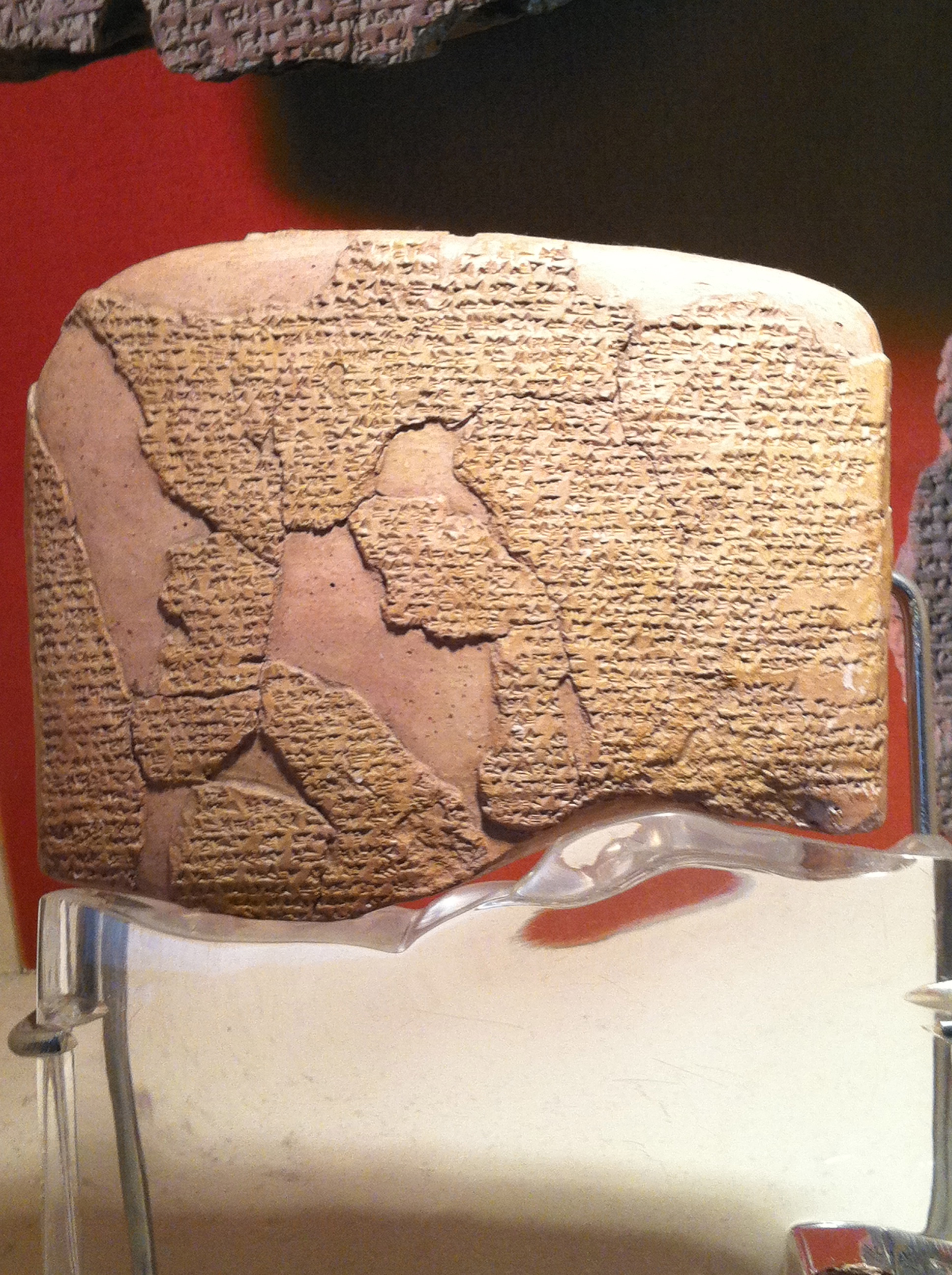
Kadesh Treaty — from 1200’s BCE, the oldest known parity peace treaty
A little math break. My picture didn’t come out good but they had a list of ancient Mesopotamian weight units. One “Talent” was about 30 kilograms (66 pounds), one “Shekel” was about 180 grains or about 8 grams, and 1 “Mina” was about 500 grams.
The most famous version of the Code of Hammurabi is in the Louvre in Paris but there is a copy in this museum too, from 1750 BCE (not our 1750, the other one). The code has 282 laws, from the seemingly fair such as “If anyone opens his ditches to water his crop, but is careless, and the water floods his neighbor’s field, he shall pay his neighbor corn for his loss” to the amazingly unfair “If a man strikes a pregnant woman, thereby causing her to miscarry and die, the assailant’s daughter shall be put to death.” The code is considered the first constitution and includes the concepts of presumption of innocence and the need for evidence in trials. (Wikipedia)
There were also a bunch of other ancient texts. I wish I knew the actual text of what was written.

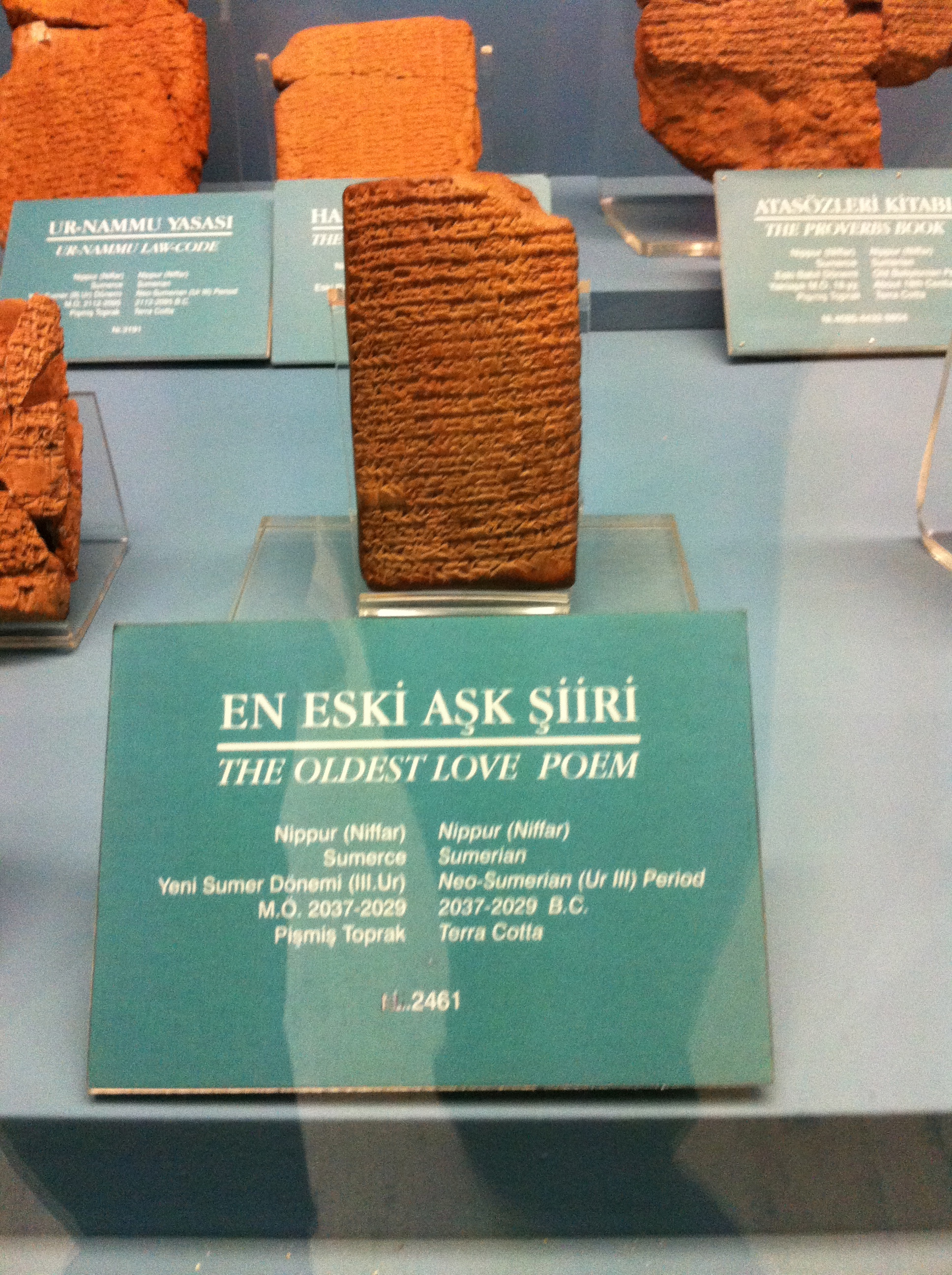
Code of Hammurabi (1790 BCE, left), Oldest Love Poem (2037-2029 BCE, right)
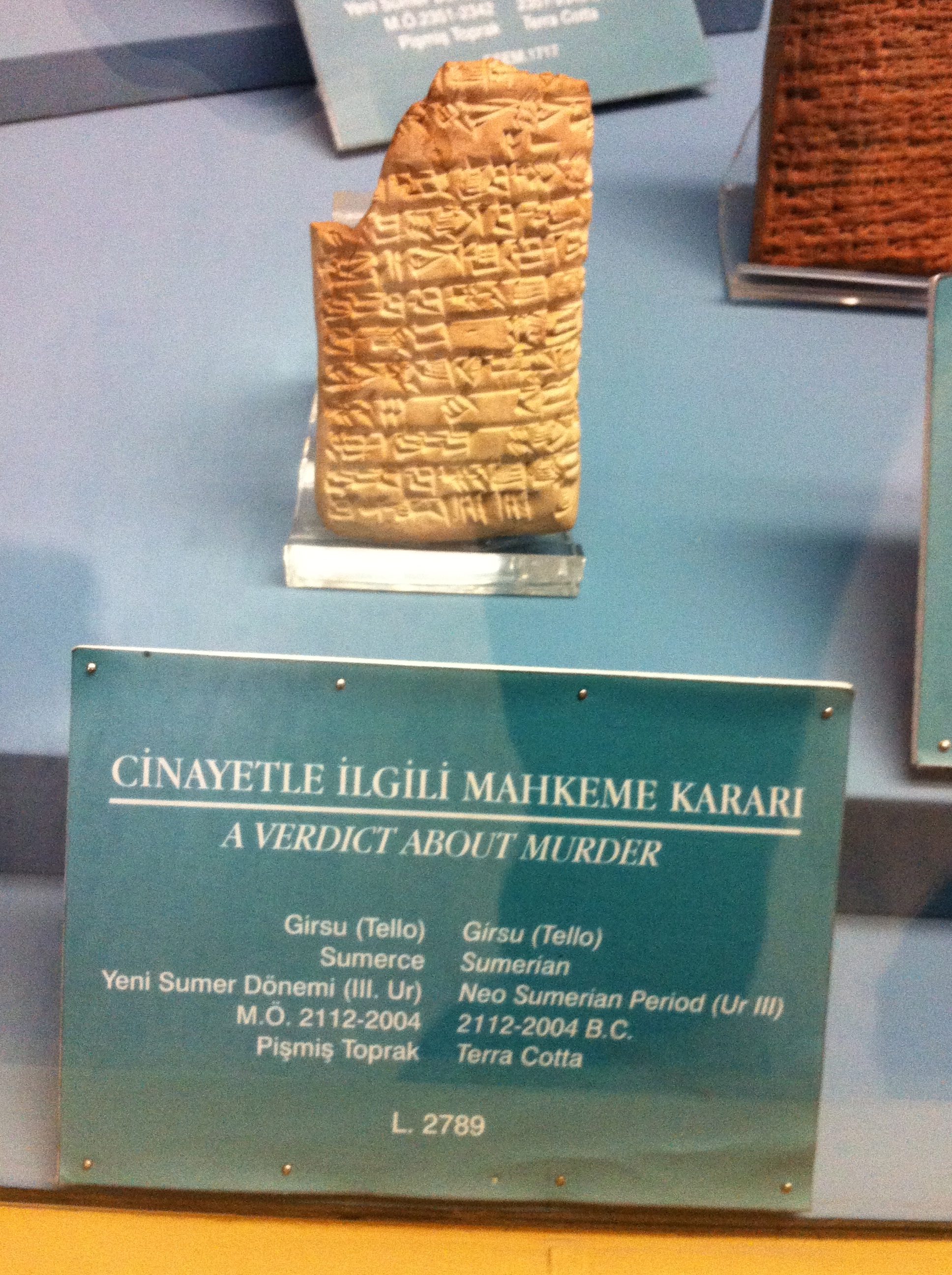

A Verdict About Murder (2112-2004 BCE, left), A Juridical Decision Considering the Breaking of an Engagement (2035 BCE, right)
There were several rooms of Greek sculptures and tombs.
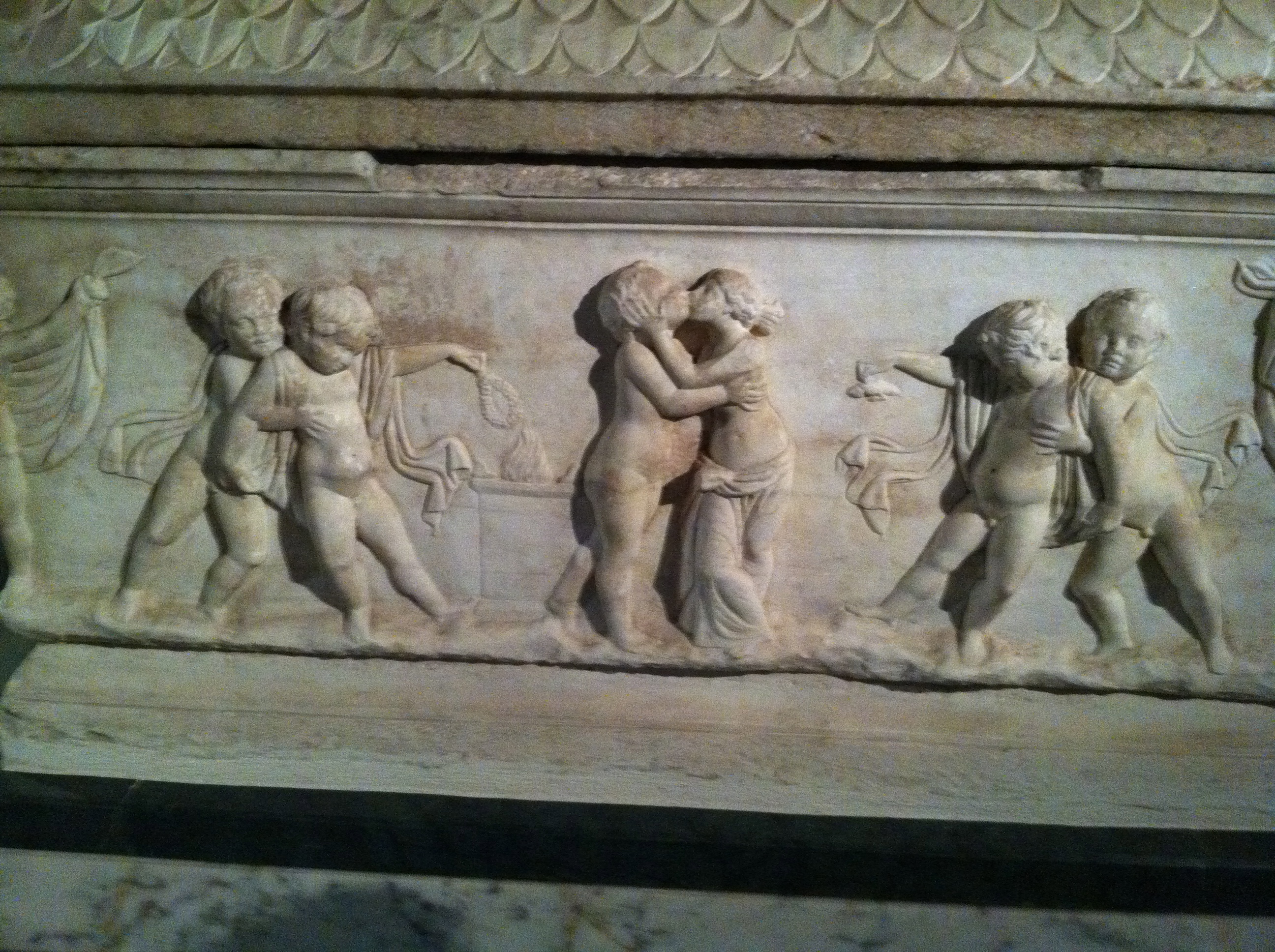
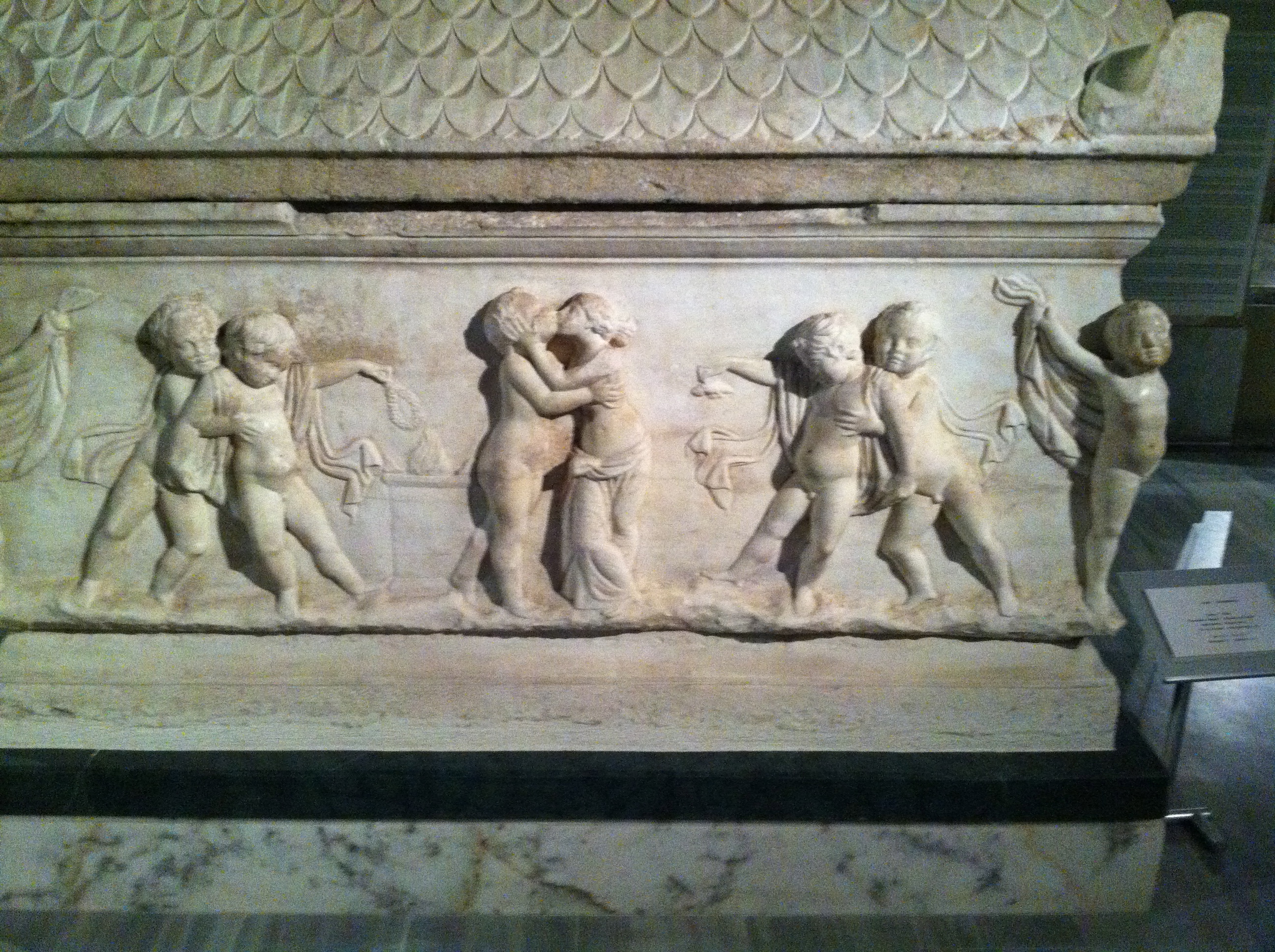
A little young for this kind of thing?

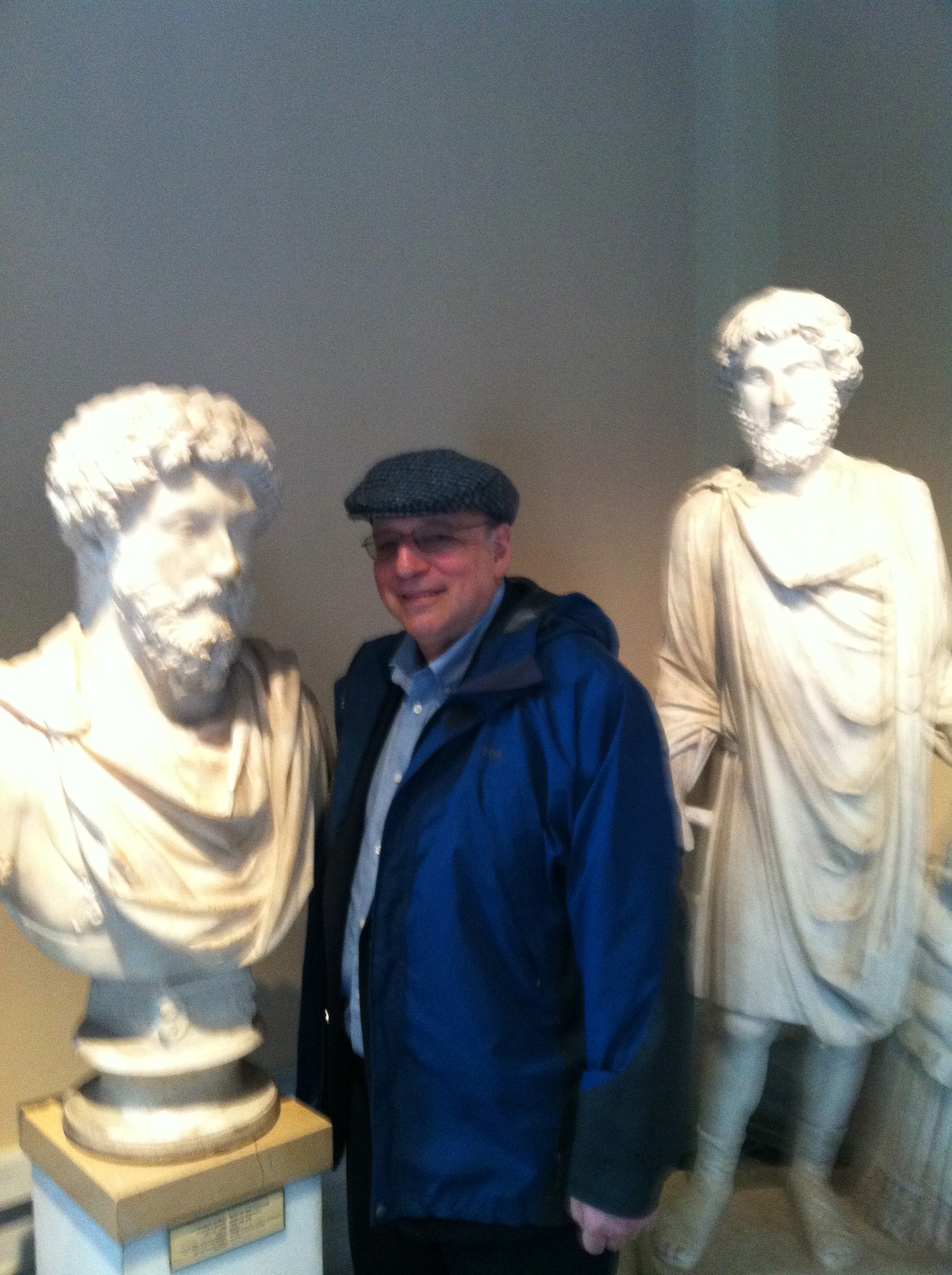
Can I take him home with me? (left), My very old friend, the Emperor Marcus Aurleius (161-180 AD)

Alexander the Great on Horseback on the far left
I spent a long time looking at the tessellations of Islamic Art, repeating the same geometric shape (hexagons, trapezoids, and triangles) that has been modified.

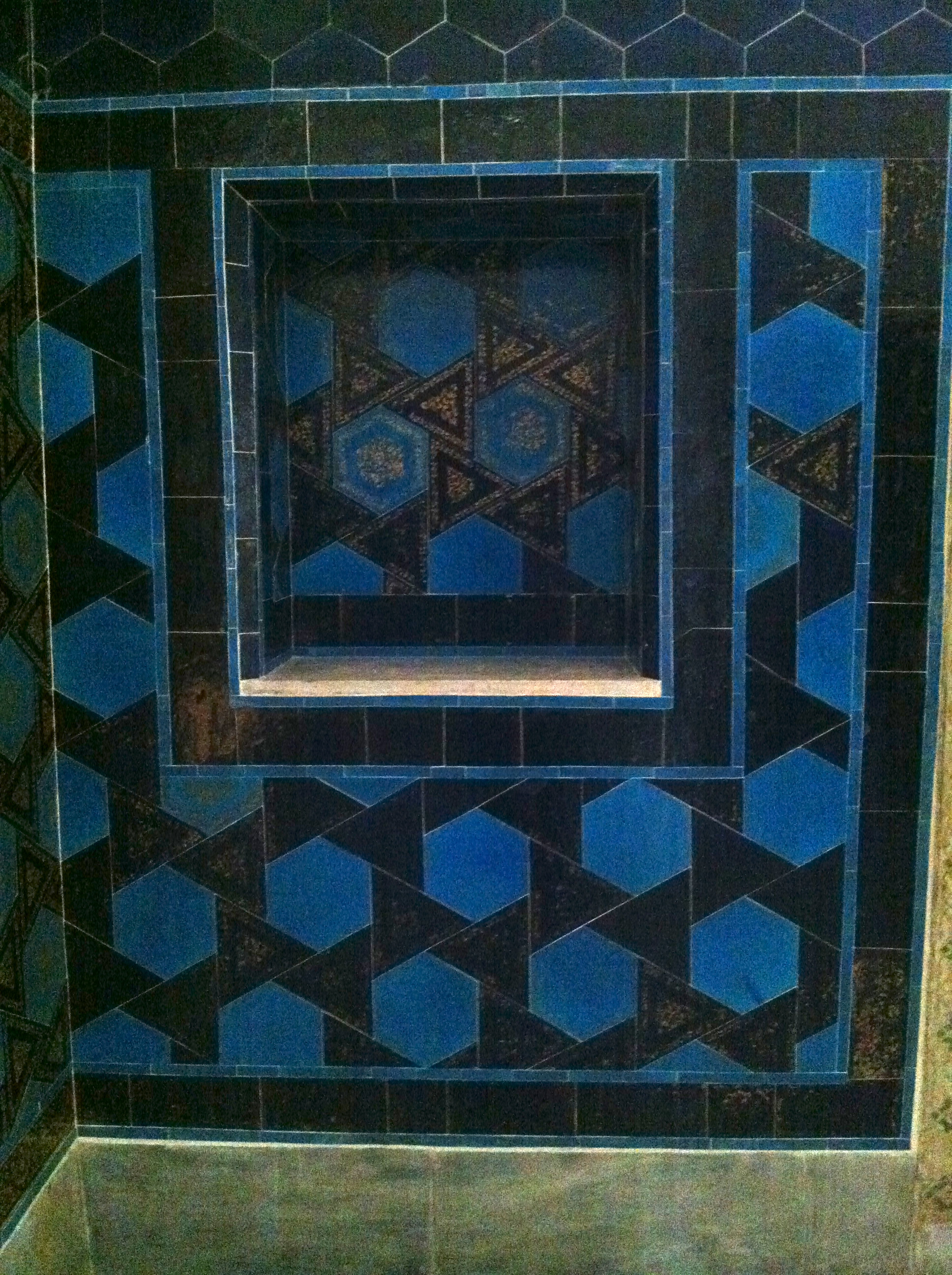


Islamic art from hexagons, triangles, and squares
I had mentioned to Erdinc at the beginning of the day that our itinerary did not include crossing from the European side of Istanbul to the Asian side. Of course, the whole idea of there being two separate continents called Asia and Europe is suspect to begin with, at least from a physical point of view. Clearly North America, South America, Asia, Australia, and Antarctica look like separate continents on a map, yet Asia and Europe physically just flow from one to the other. There certainly are cultural difference between the two continents but the differences between all the different cultures of Asia are masive too. However, they have chosen the Straits of Bosphorus that divides Istanbul to be part of the line between the two continents.
Erdinc made a great suggestion to go and see his town within the city limits of Istanbul on the Asian side, which turned out to be a highlight for me.
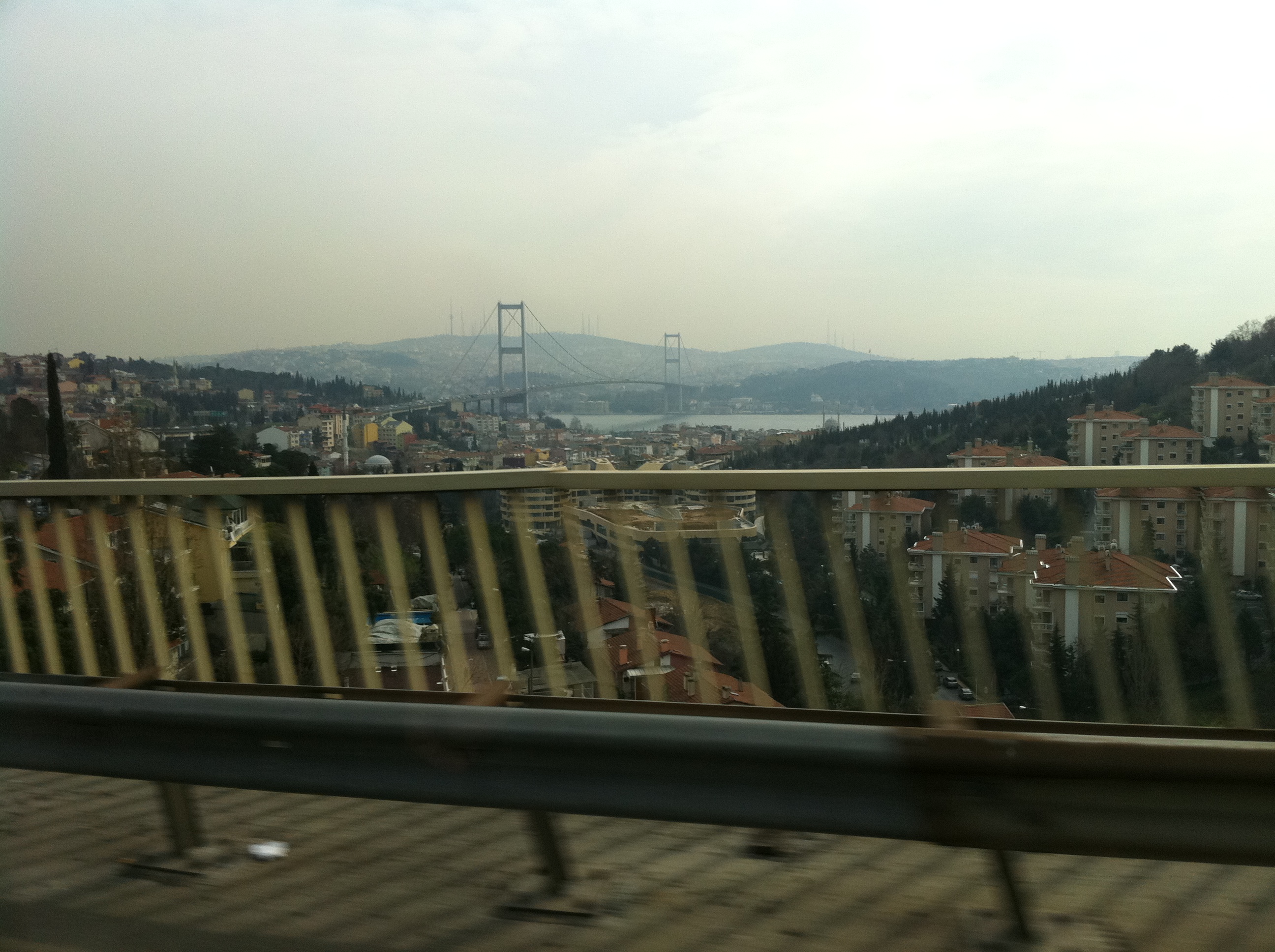
Approaching the bridge to Asia
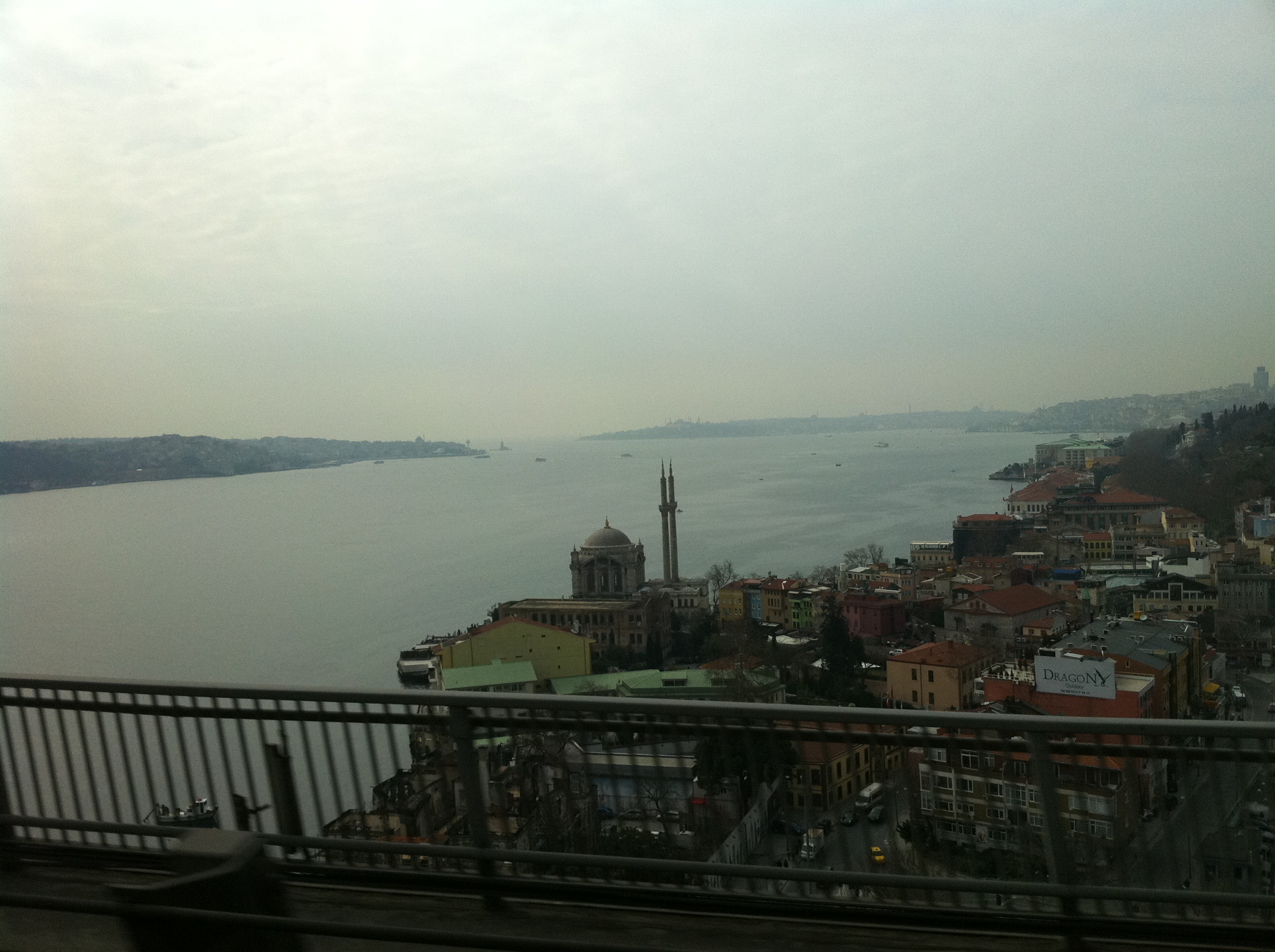

Looking to the Sea of Marmara from the bridge across the continents

The European side from the Asian side
Erdinc took me to one of his favorite eating places far away from where tourists would typically go.


Lunch

I relly enjoyed walking around Erdinc’s area of Istanbul, called Cengelkoy. He said Cengel means “hook” and its named for the sharp hook-like turn of the Bosphorus that it clings next to. I’ll just show some street scenes and some fishermen from Cengelkoy. Then I’ll show how I got “burned.”
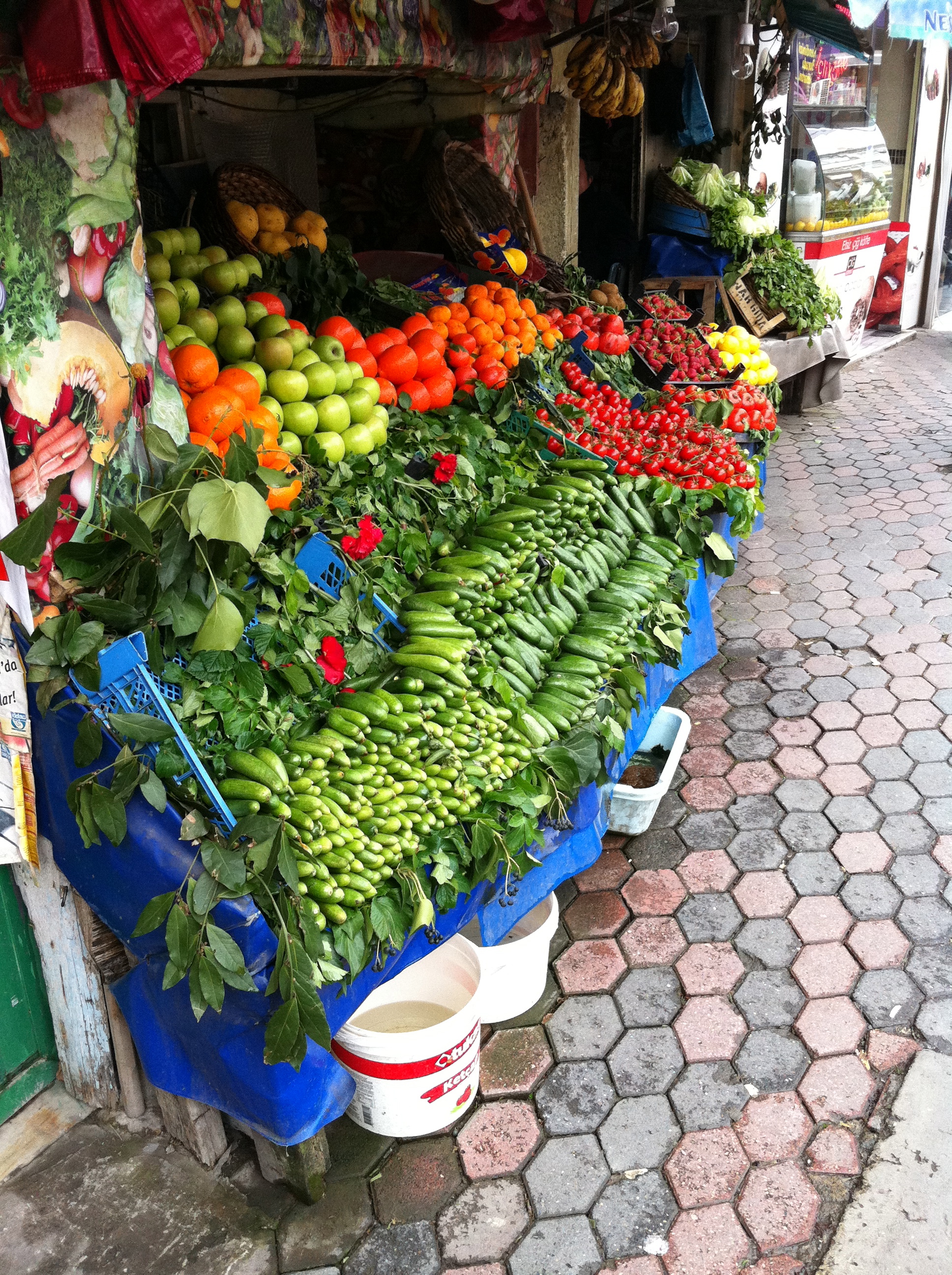
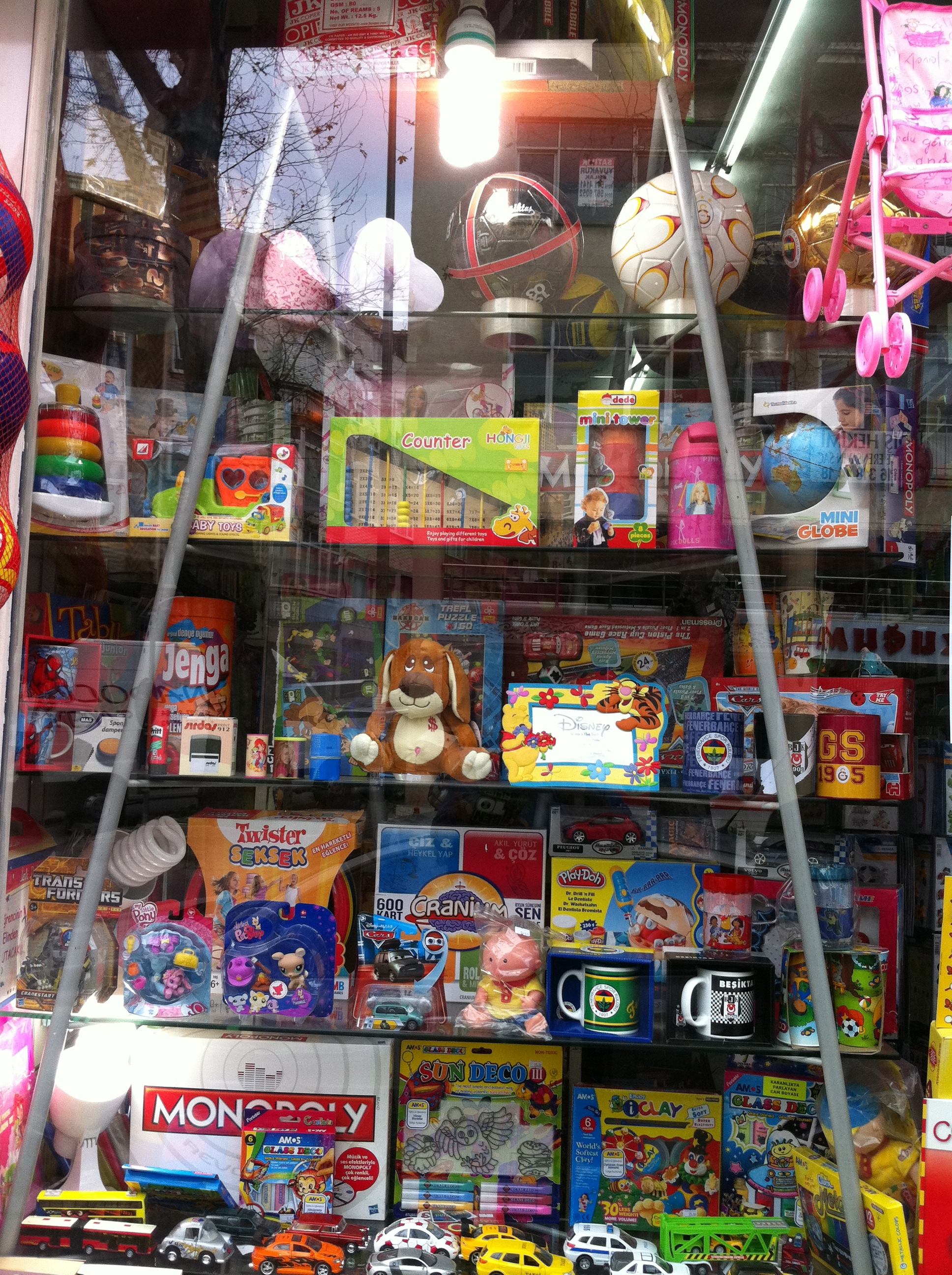


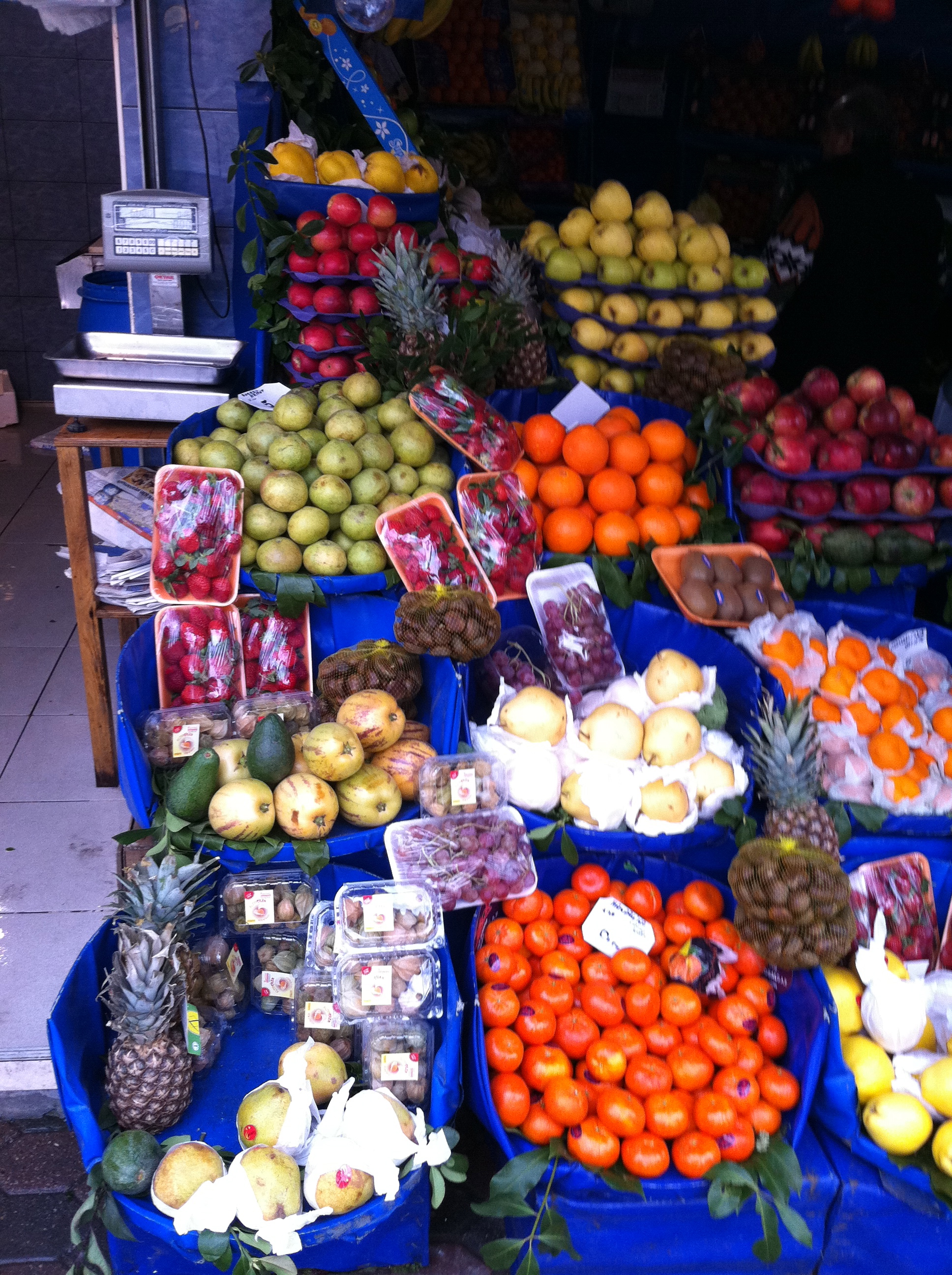
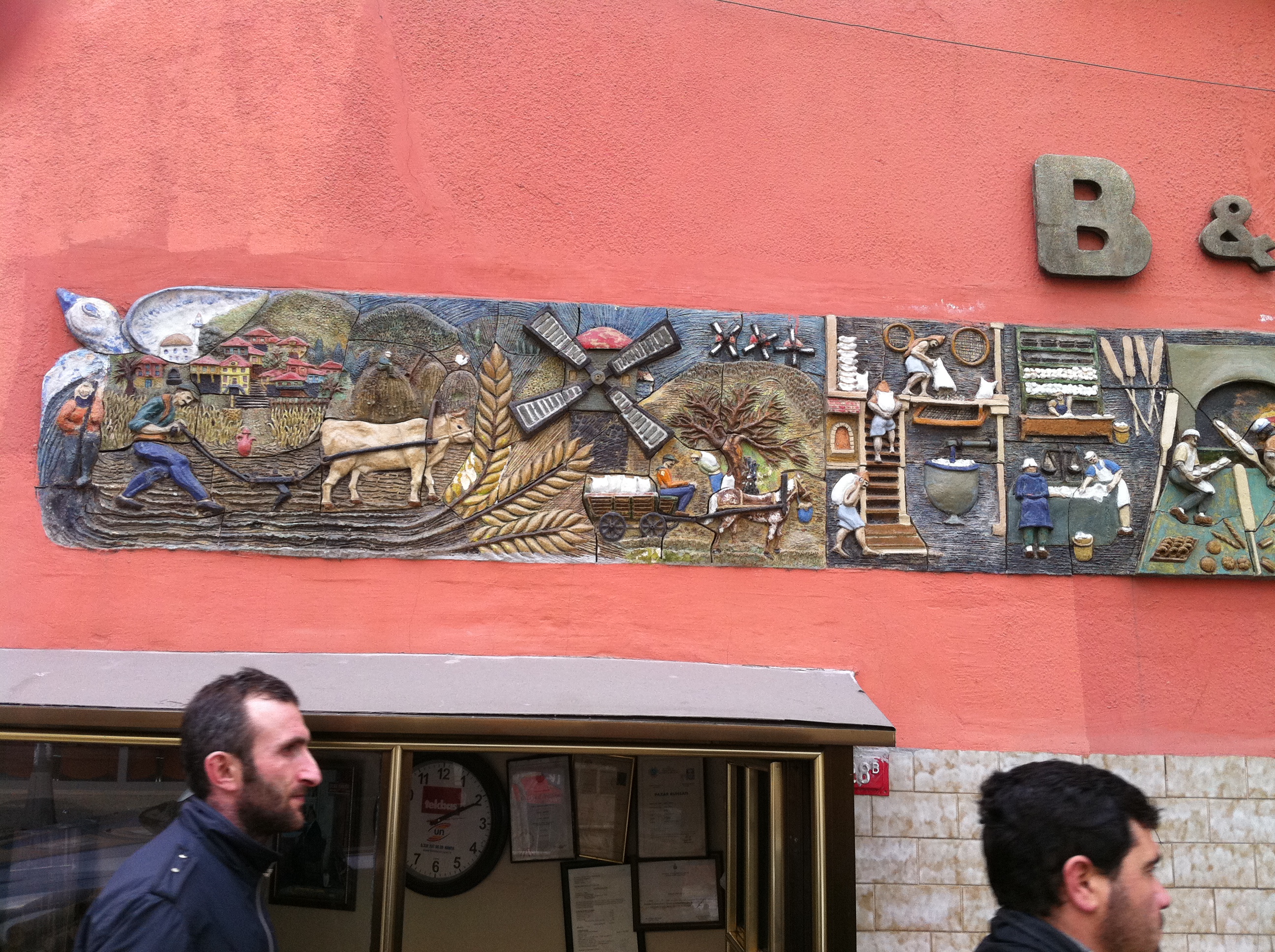

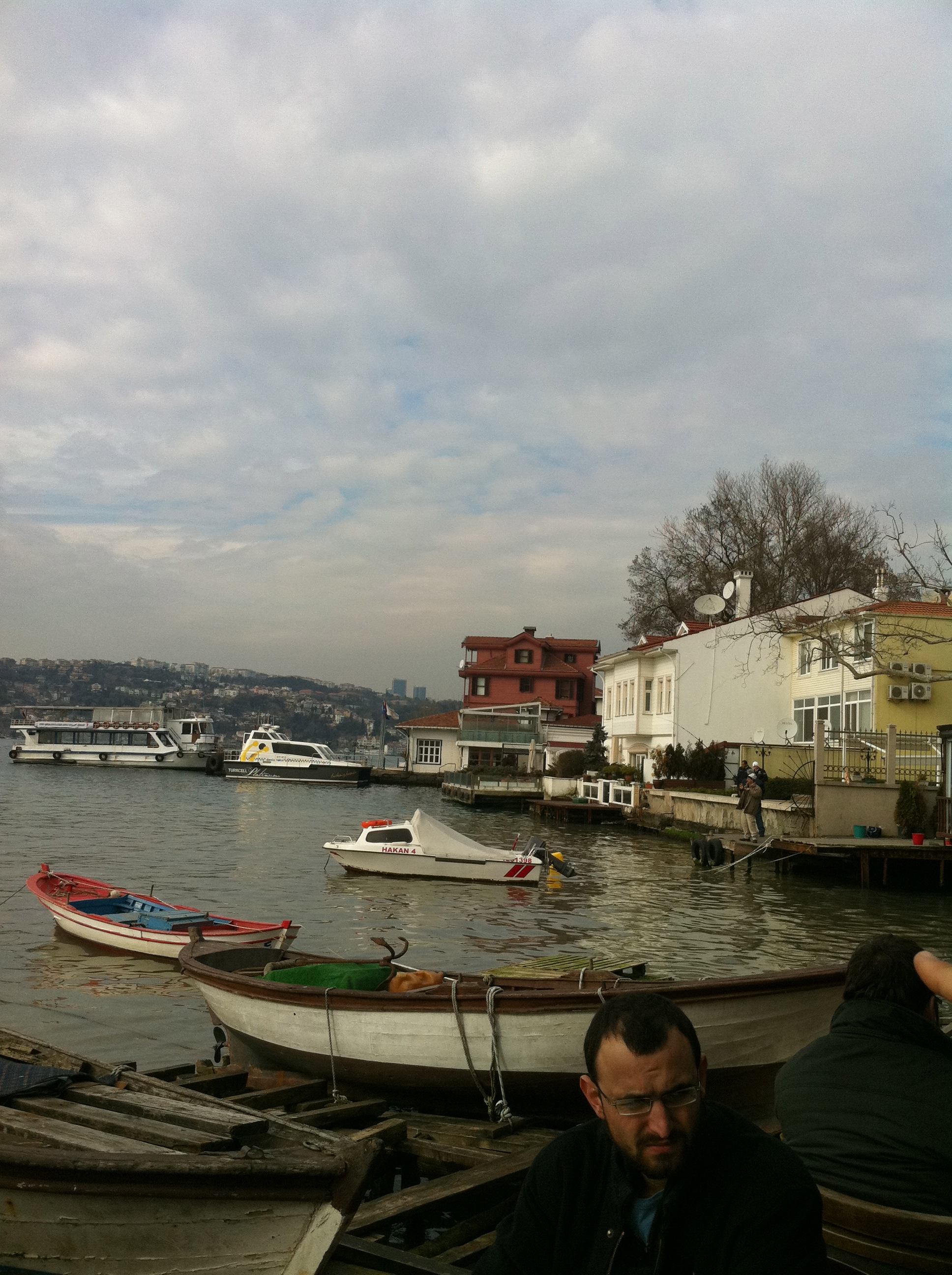
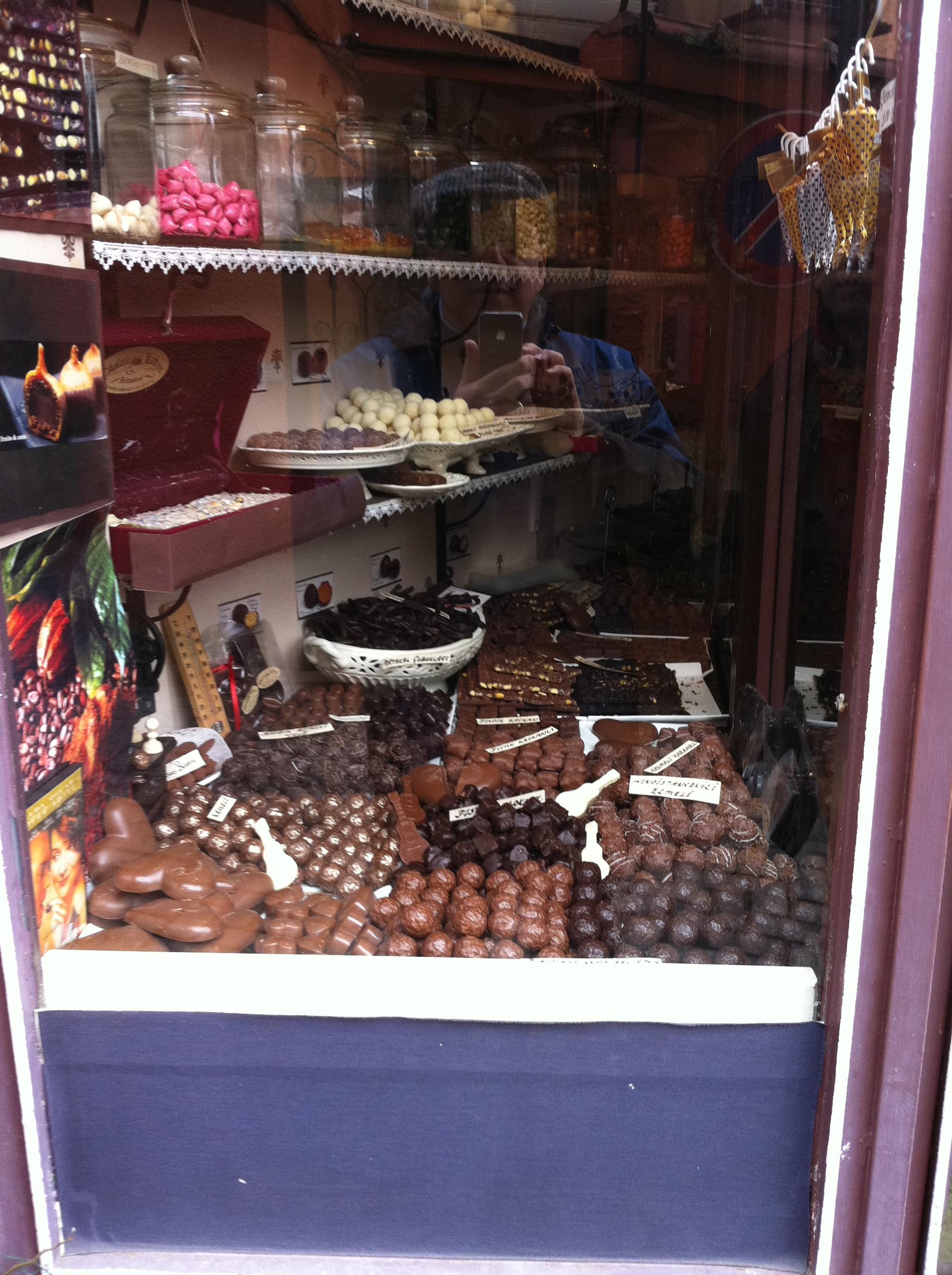
Scenes from Erdinc’s home town in Istanbul, called Cengelkoy
He introduced me to his barber as we walked by and I joked that I could use a haircut. Next thing I know I’m in his chair getting the most thorough hair cut I’ve ever had. Not only did the barber cut what’s left of the hair on my head but he trimmed my eyebrows, my ear hair, nose hair, and all around my throat. What he did next would have scared me if I’d had time to realize what was happening. He lit a match and starting waving it around my ear.
 “That’s not for me is it?”
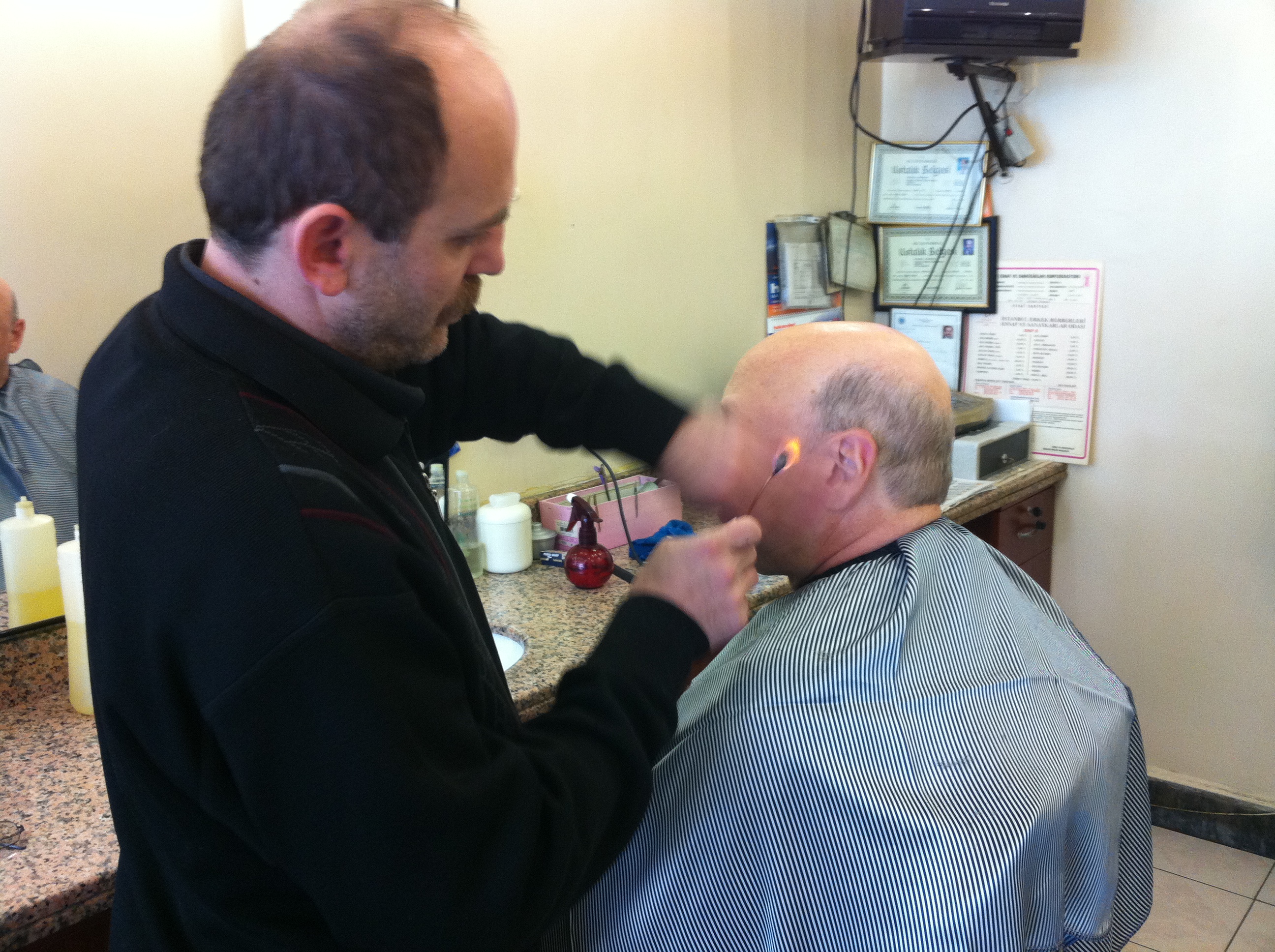
“I’ll confess to anything, just go no further”

I told him what he wanted and he let me go.
I really enjoyed my time with the barber and in Cengelkoy. Erdinc did feel there is a different atmosphere in the Asian side of the city. He feels it’s more down to earth, cheaper to live, and less touristy. I hope to be able to figure out extensions to trips like this in the future.
We then went back to the European side to the Galata Tower, buit by the Genoese in 1348. It’s 67 meters (220 feet) high and has great views of the city.
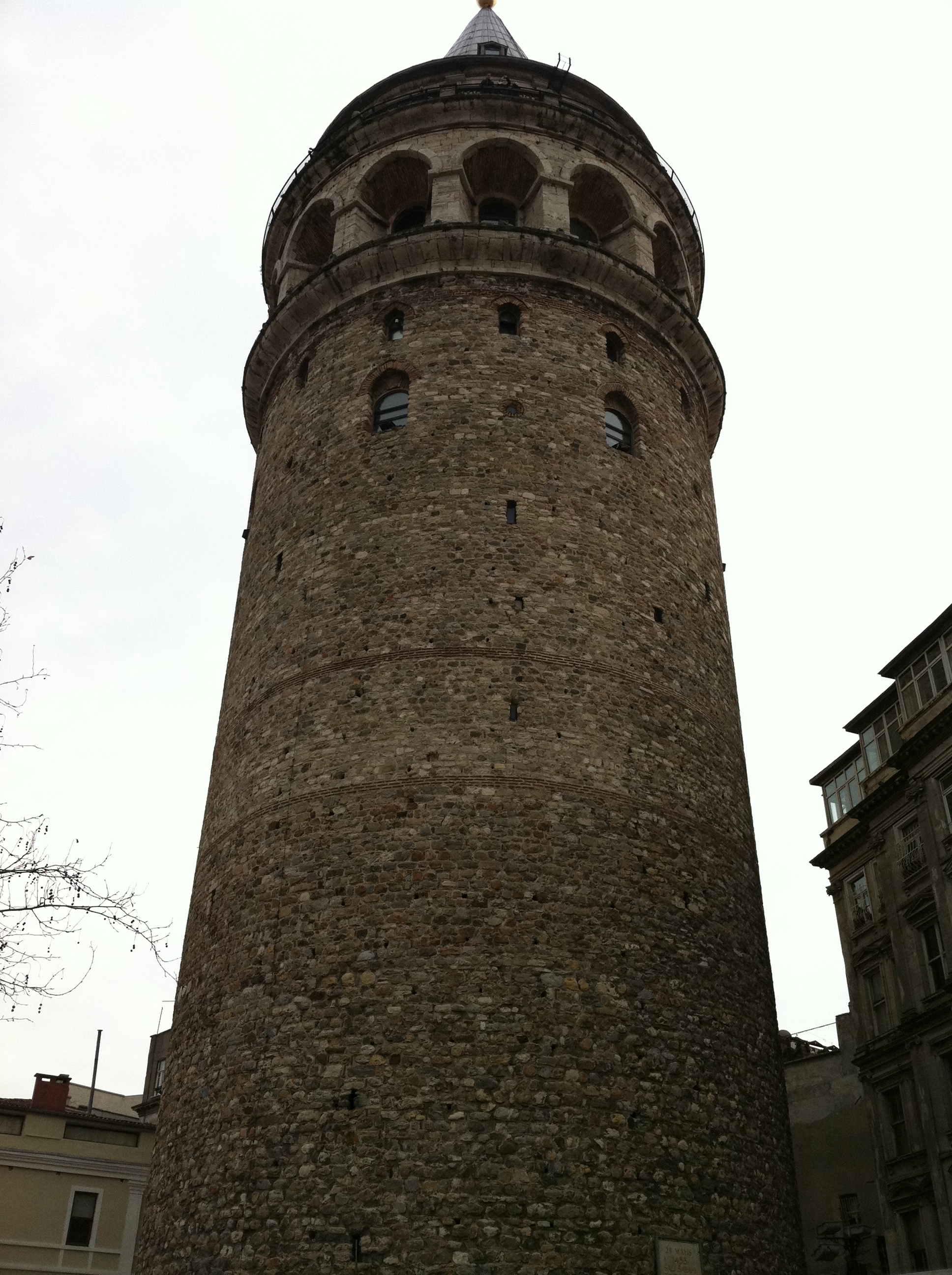
Galata Tower from 1348
 View from Galata Tower
The Neve Shalom Synagogue had been bombed in 1986, 1996, and 2003 and is supposedly well protected now.

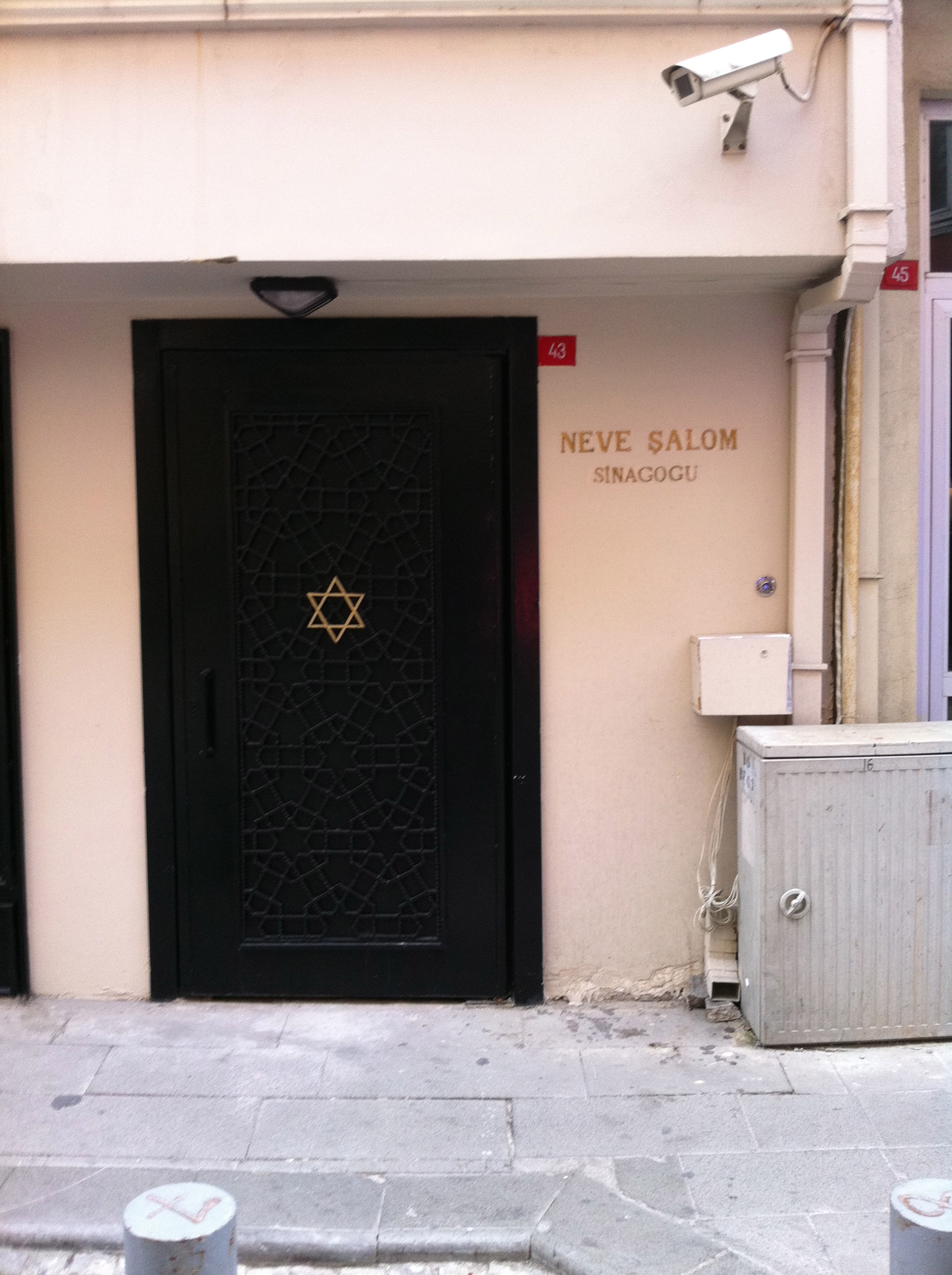
Neve Shalom Synagoge

The Roman Aqueduct
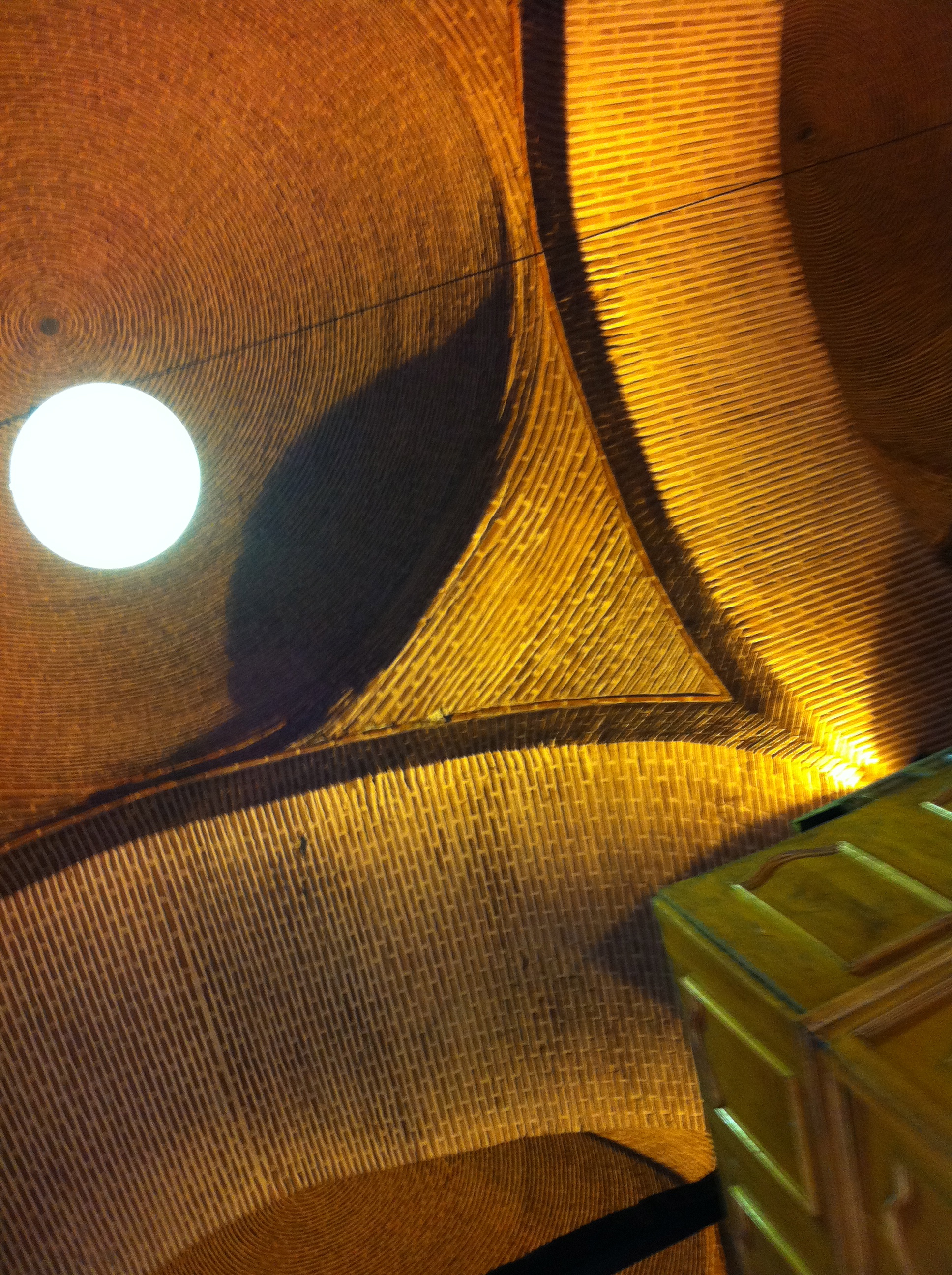
The Grand Bazaar is like a massive covered city of shops and I wrote about it also on my Day 23 blog. Here are some pictures.


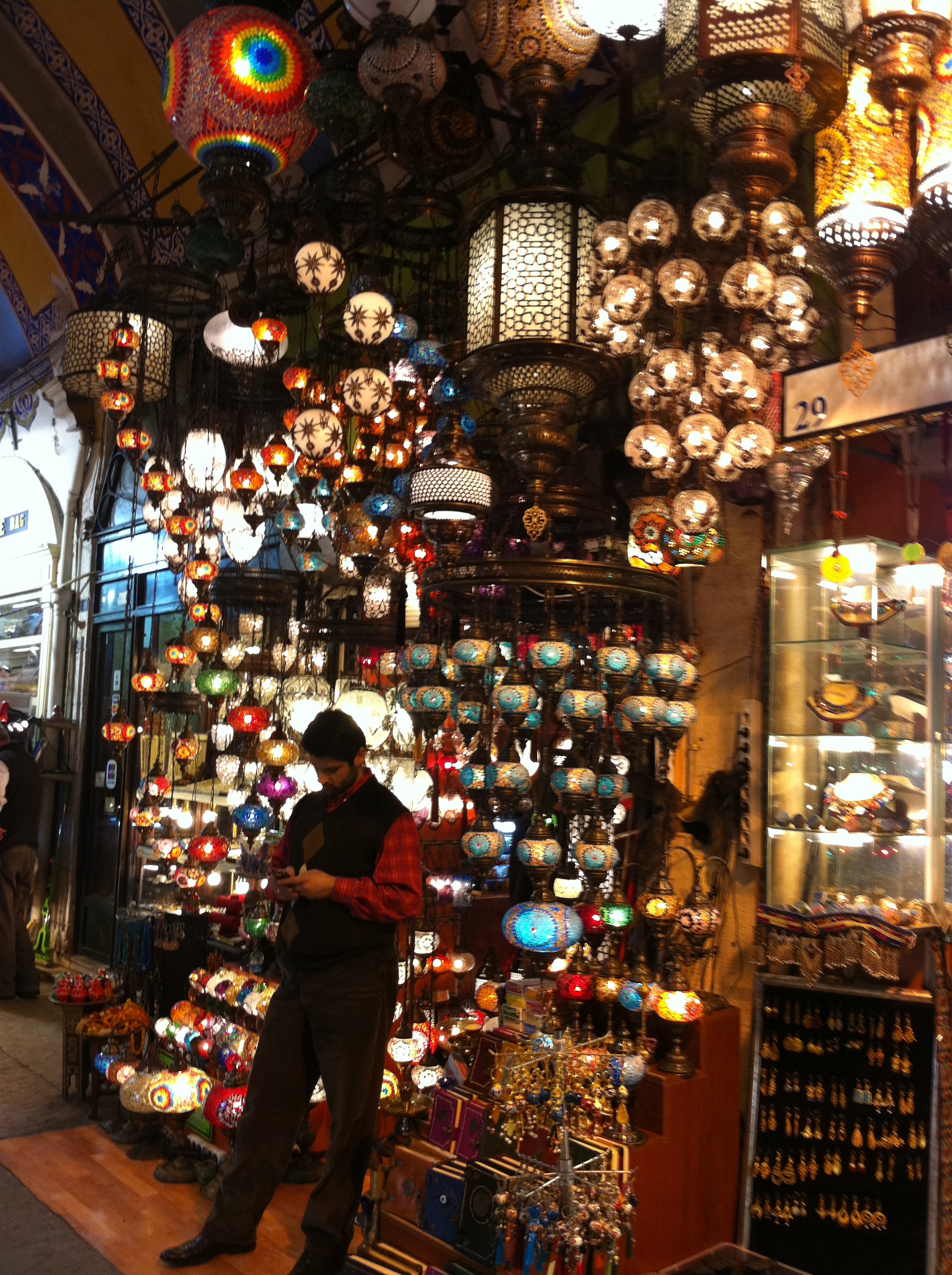
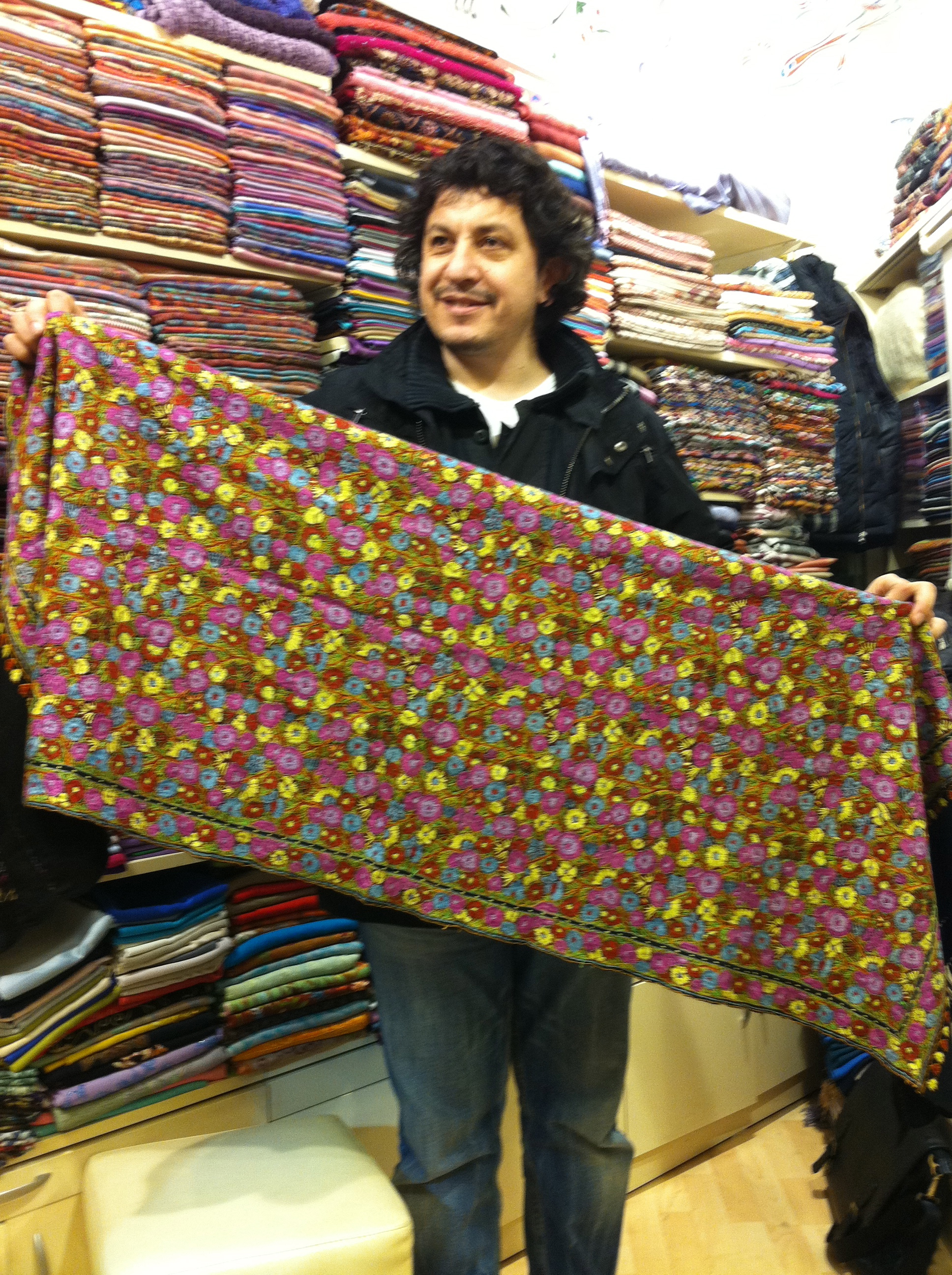
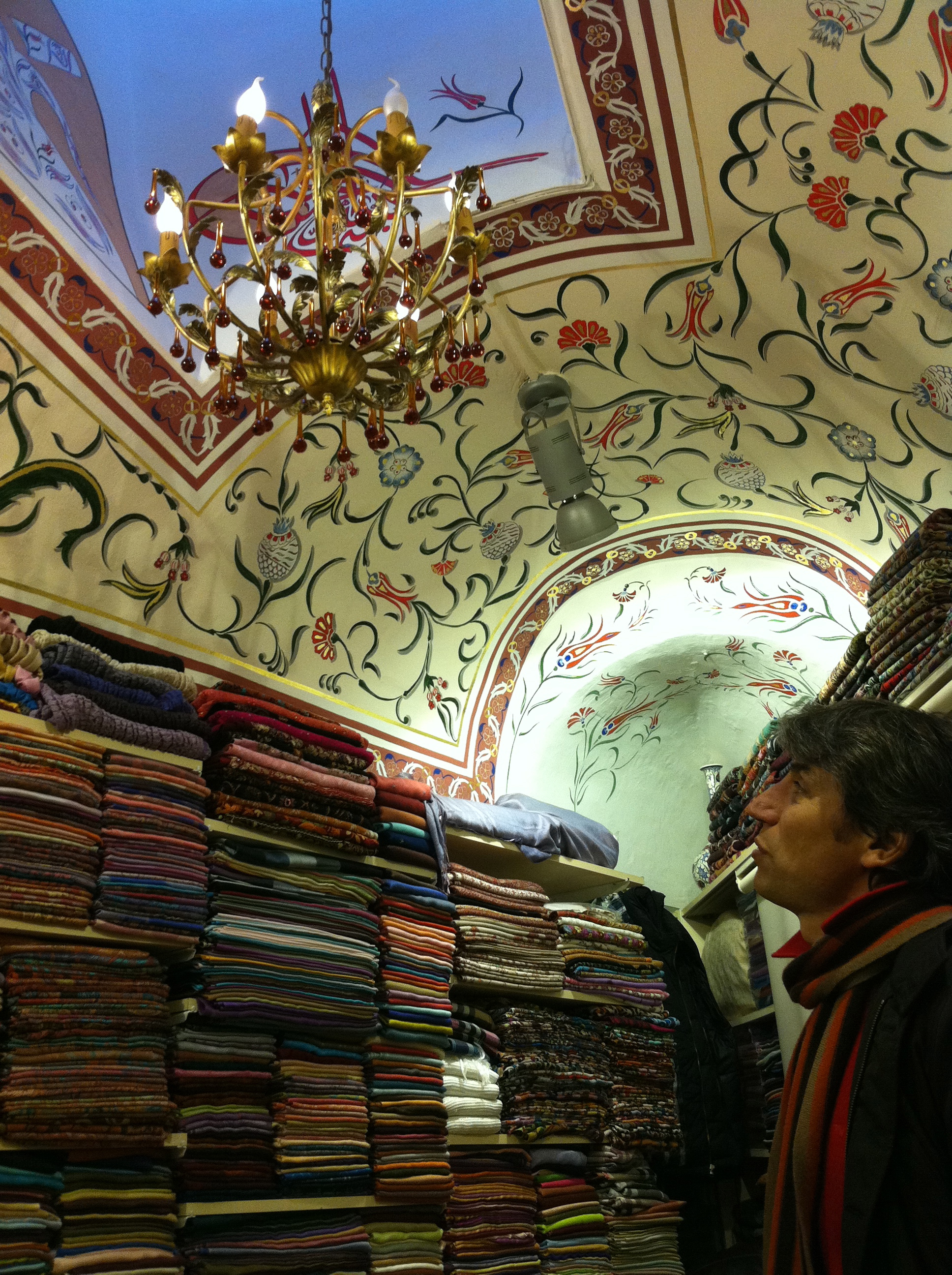
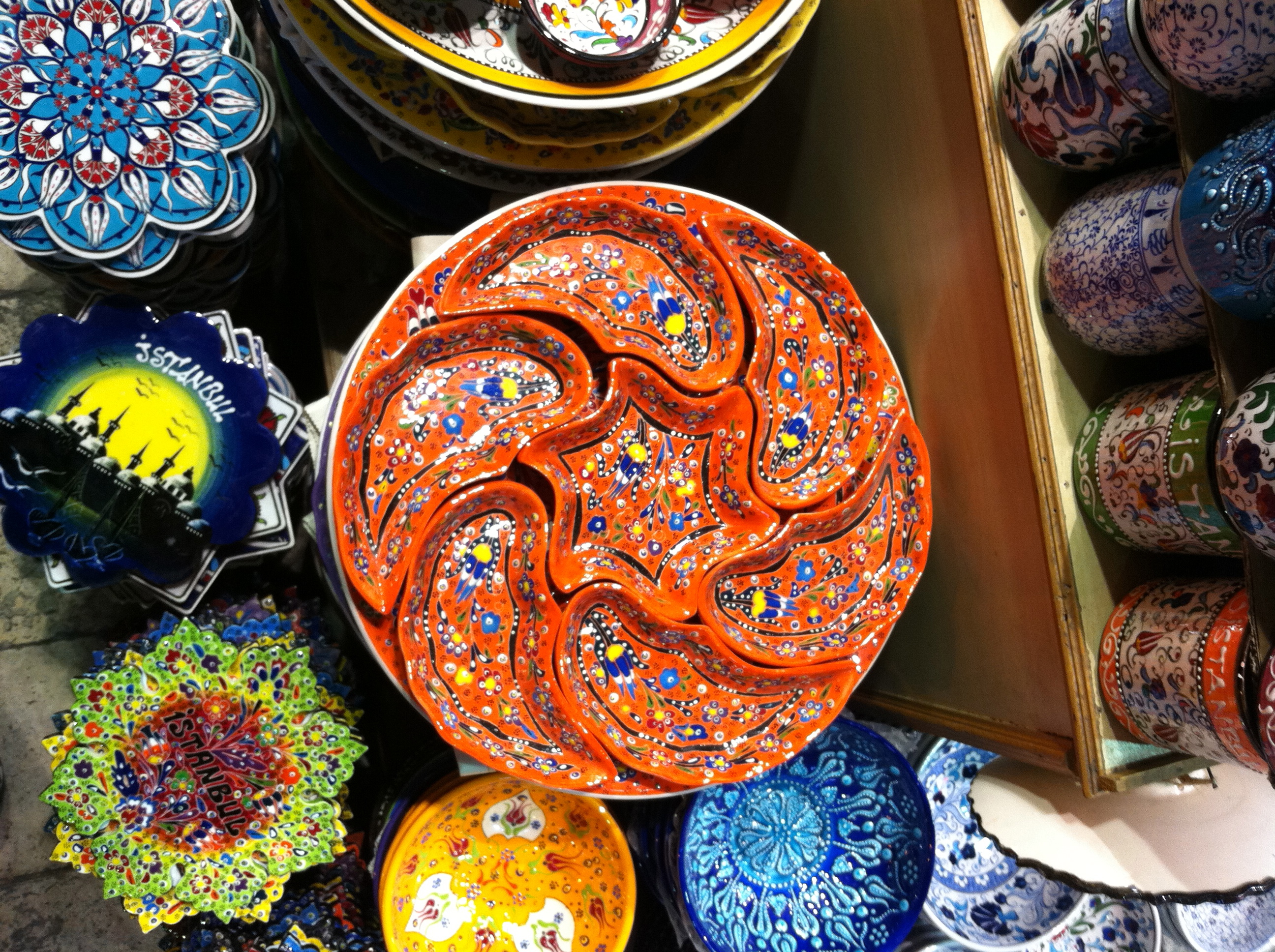
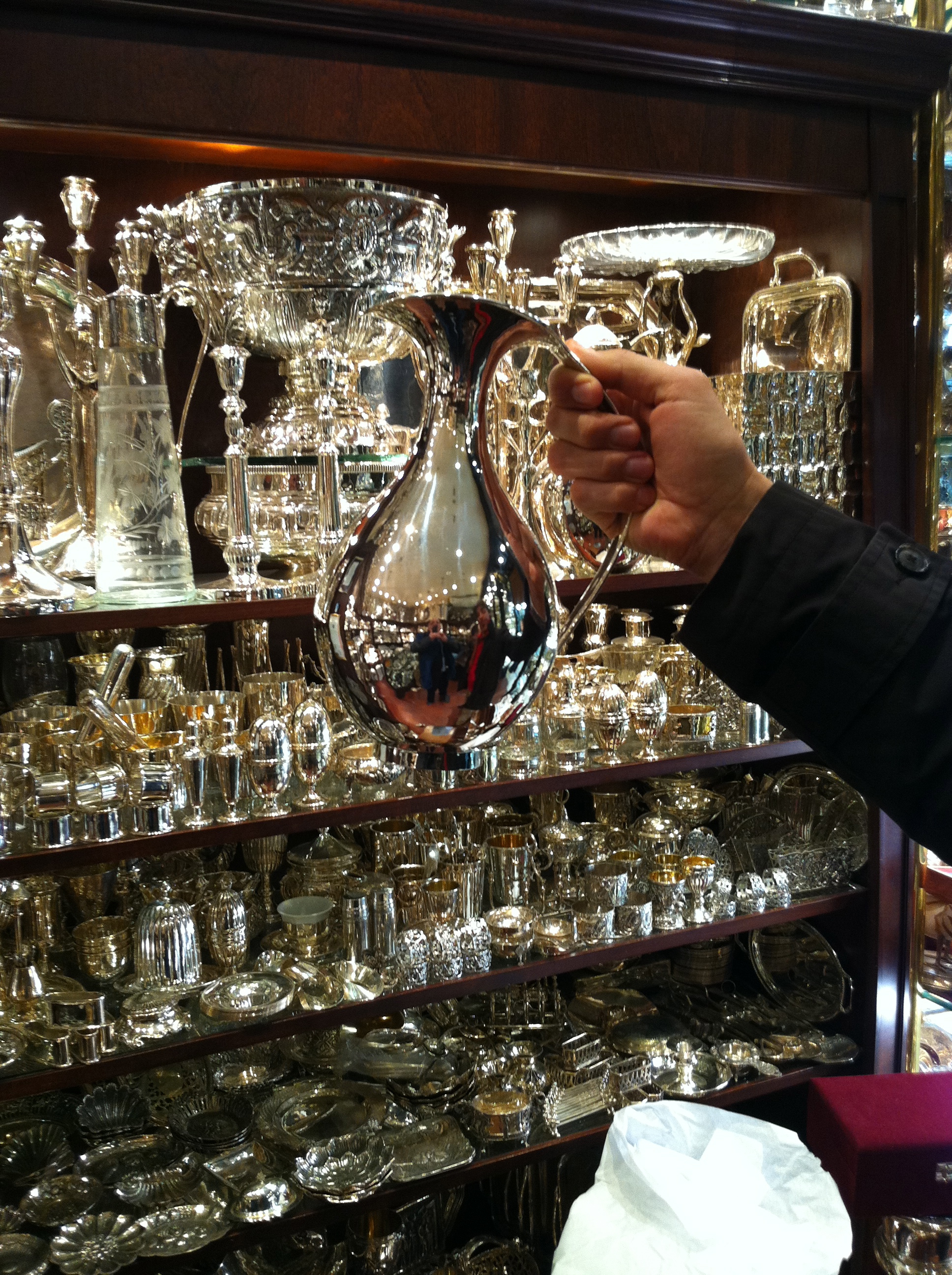
Scenes from the Grand Bazaar
We finished the day with carpet making and carpet sales demonstrations. I was fascinated with the carpet weaving and told them the story of how computer programming has its roots in weaving.Although I couldn’t remember the full story, I have since looked it up in Wikipedia. Joseph Jacquard created a mechanical loom in 1801 that is known as the first machine to use punched cards to control a sequence of operations.”The ability to change the pattern of the loom’s weave by simply changing cards was an important conceptual precursor to the development of computer programming.” (Wikipedia)
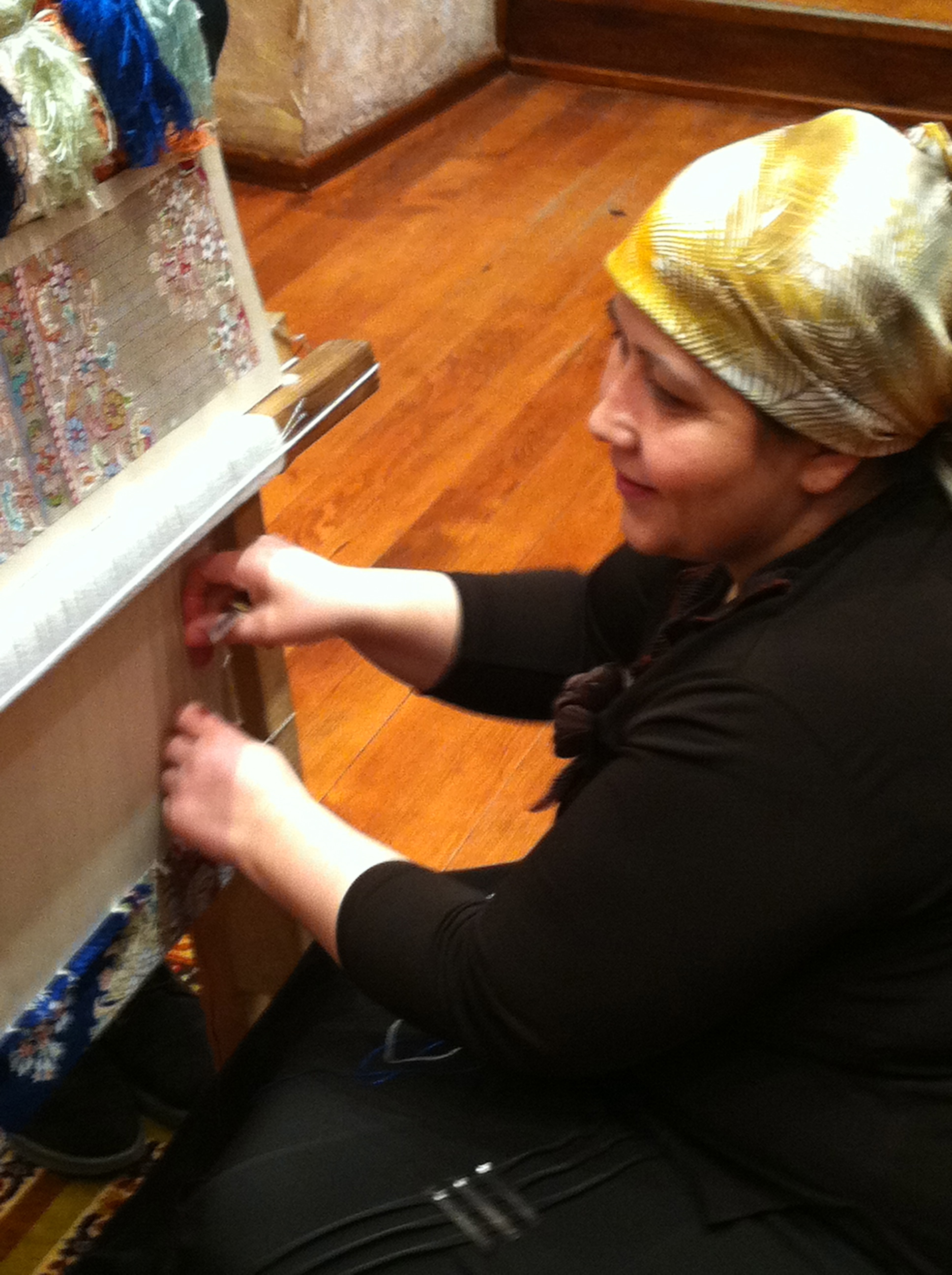
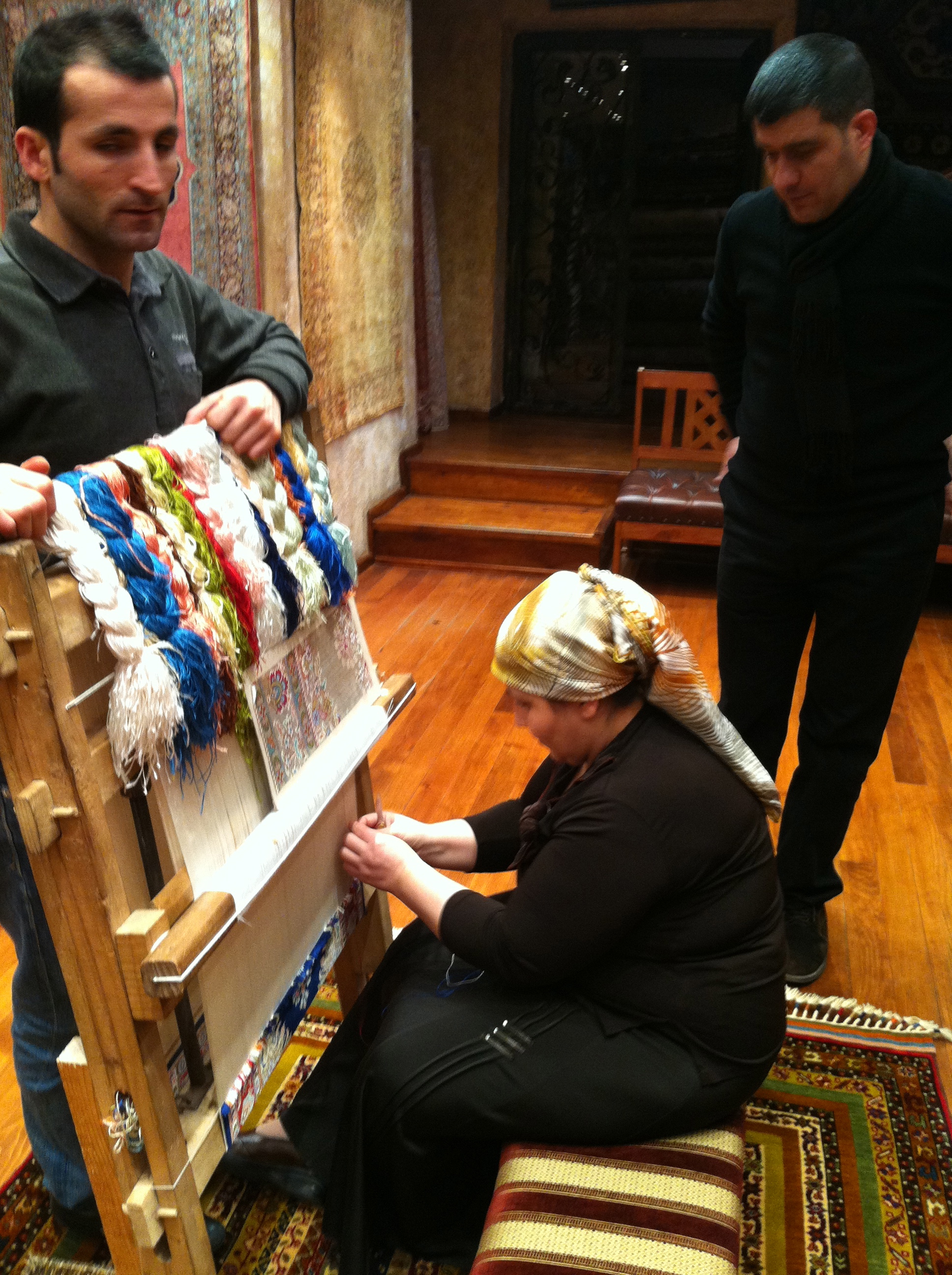
Carpet weaving demo
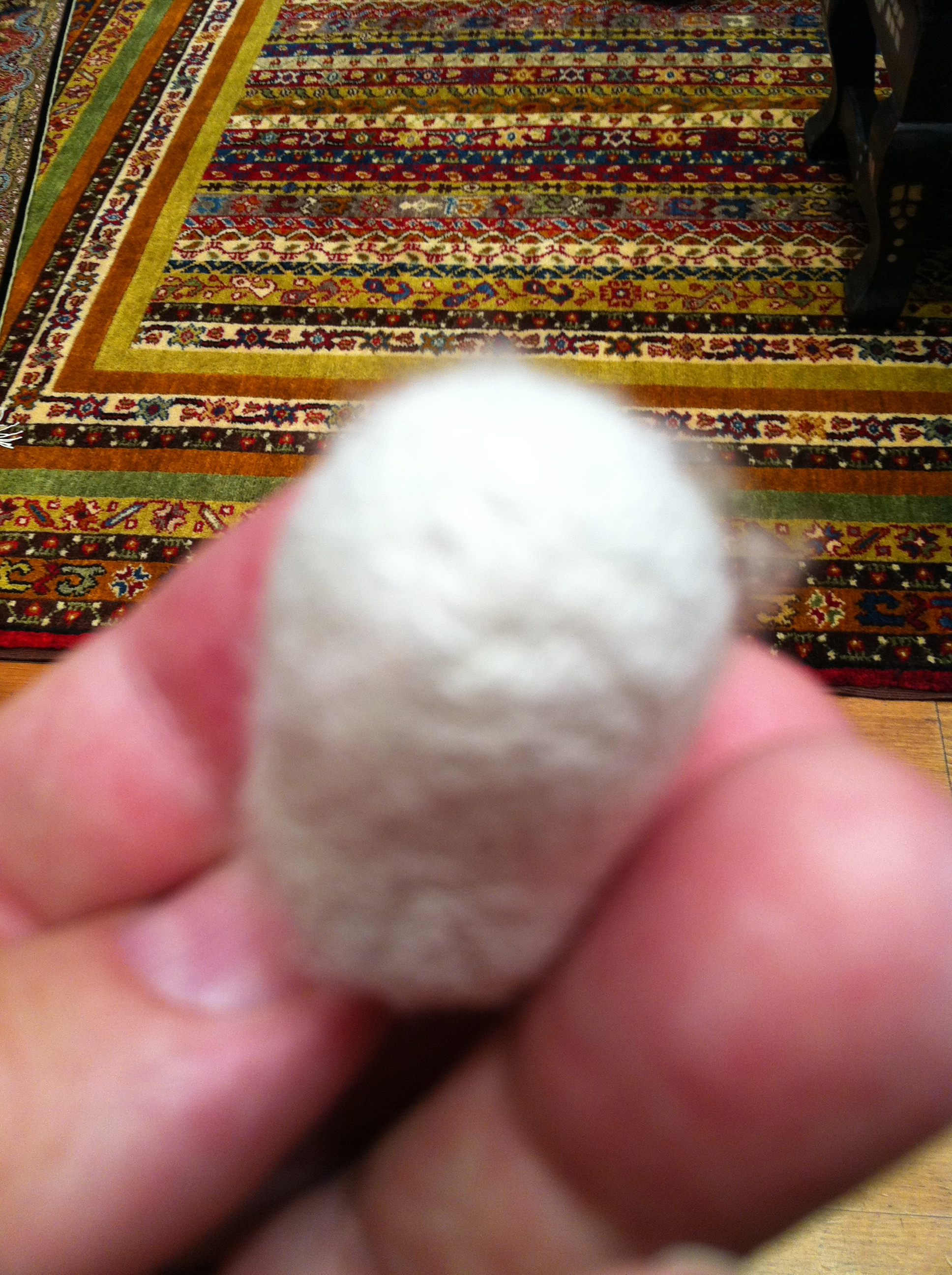
Larvae from the silk making process


They had no chance of making a sale with me. As they pointed out, making these carpets took somewhere around a year’s worth of work and of course, cost a lot of money. I couldn’t see buying something like this and stepping on it or putting it on a wall. I don’t get spending that much money for something to walk on. The seller clearly knew his stuff and went way beyond me. I was glad to have seen it though. It would not have been right to go to Turkey without seeing carpets. My favorite part was when the workers would carry a heavy carpet and loudly slap it down so it unravelled just right.
I went back to the hotel and packed up for the trip the next day to Greece.
 feldmanlarry
Leave a comment